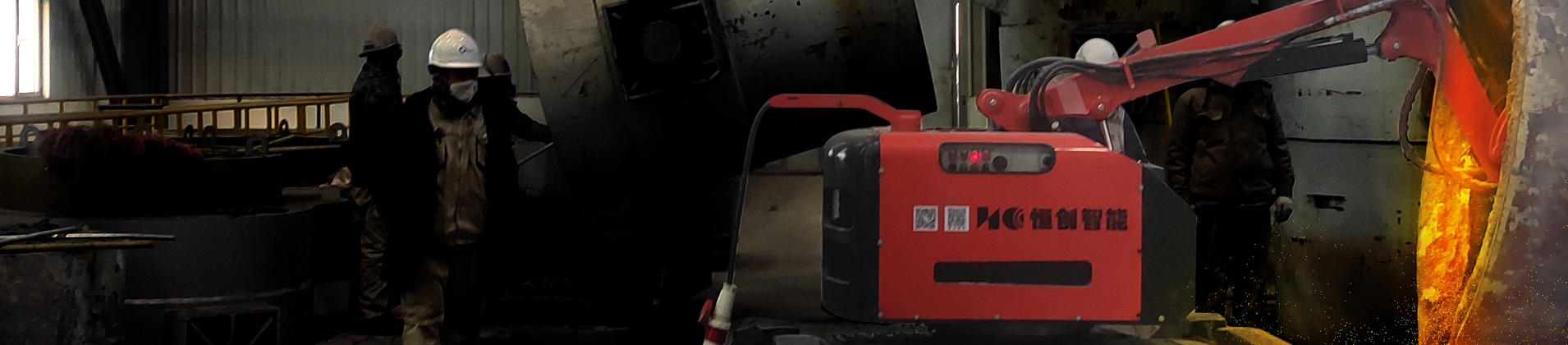
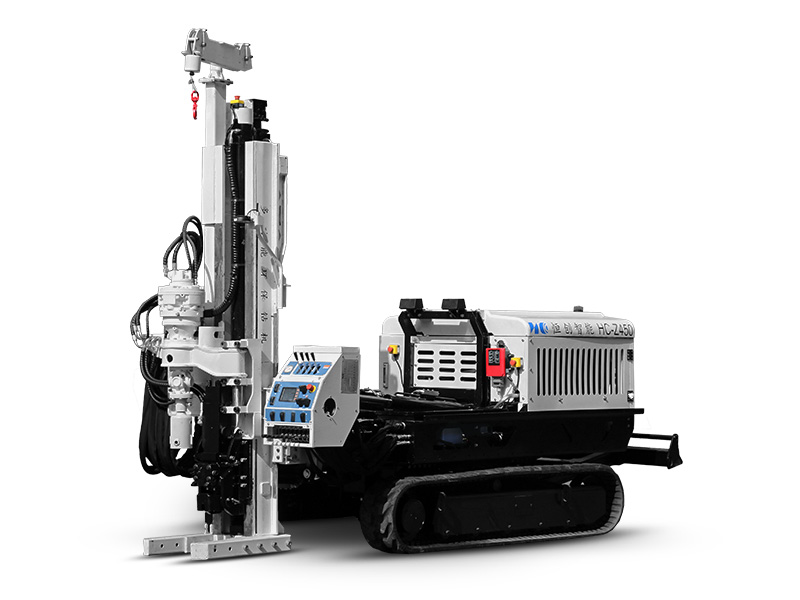
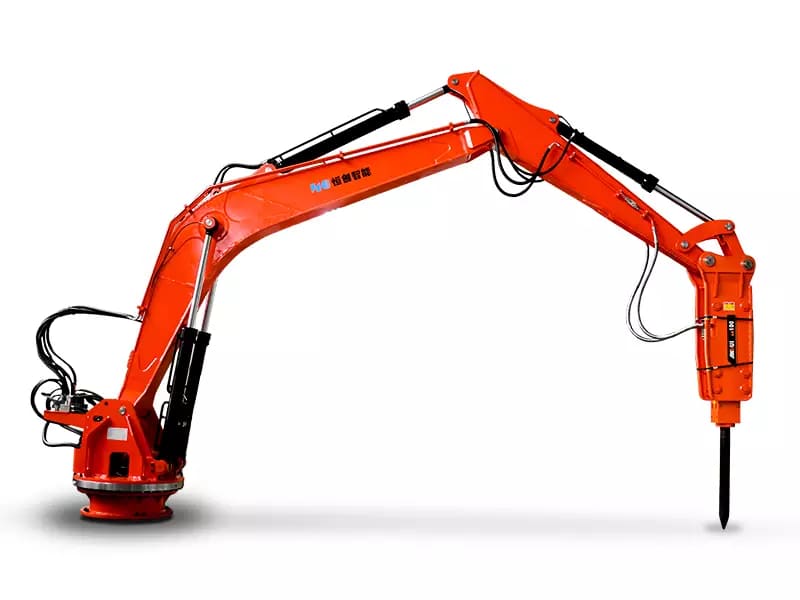
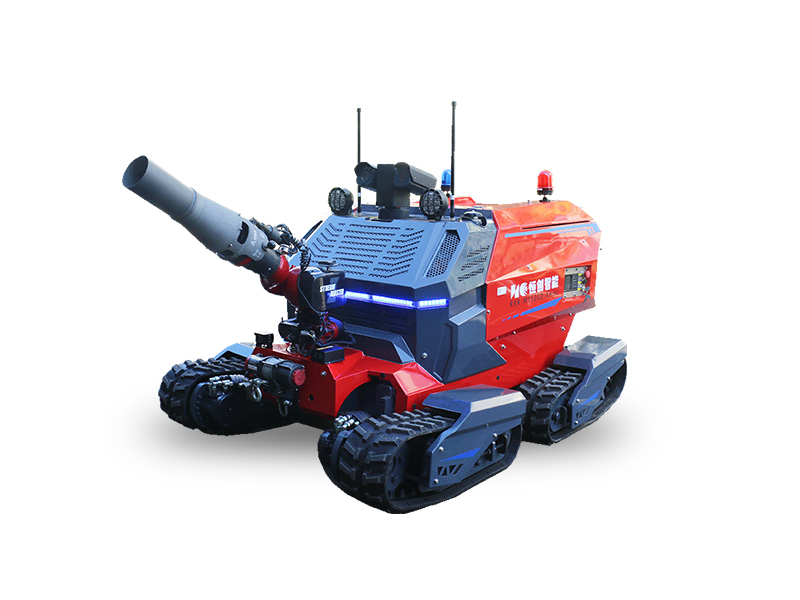
When it comes to breaking, cutting, and removing reinforced concrete efficiently and safely, traditional methods like jackhammers and excavators are no longer the only options. Modern construction and demolition projects increasingly rely on advanced demolition equipment—especially the demolition robot.
A demolition robot is a compact, powerful, and remote-controlled machine specifically designed for heavy-duty demolition tasks in confined or hazardous environments. Whether you are dealing with thick concrete walls, industrial floors, tunnels, or furnaces, a demolition robot offers unmatched precision, safety, and productivity.
In this article, we will explore why the demolition robot is widely considered the best tool for concrete demolition, how robotic demolition machines work, their benefits, applications, and how they compare to conventional demolition equipment.
A demolition robot is a specialized type of robotic demolition machine operated remotely by a human operator. It is typically equipped with powerful hydraulic breakers, crushers, shears, or buckets designed to break concrete, remove debris, and handle materials.
Unlike large excavators, a demolition robot is compact and lightweight, allowing it to access tight spaces such as:
Basements
Narrow corridors
Tunnels
High-rise building interiors
Industrial plants
Despite its small size, a demolition robot can deliver immense impact force—often comparable to machines several times its size.
One of the most impressive features of a demolition robot is its exceptional power output. A concrete demolition robot can generate thousands of joules of impact energy while remaining compact and maneuverable.
This allows the demolition robot to:
Break reinforced concrete slabs
Remove thick walls
Crush foundations
Dismantle heavy structures
All without requiring massive machinery.
A remote control demolition robot significantly improves job-site safety. Operators control the machine from a safe distance, away from falling debris, dust, vibration, and noise.
Key safety advantages include:
Reduced risk of injury from collapsing concrete
No direct exposure to dust or hazardous materials
Lower vibration impact on workers
Better visibility and control
In high-risk environments such as tunnels or industrial demolition, a demolition robot becomes an essential safety solution.
Traditional demolition equipment often lacks precision, especially in confined spaces. A demolition robot offers fine control over movement and attachment operation.
This precision allows for:
Selective demolition
Minimal damage to surrounding structures
Clean cuts and controlled concrete removal
Improved project efficiency
For renovation and partial demolition projects, a demolition robot is far superior to bulky machines.
While the initial investment in a demolition robot may seem high, long-term cost savings are substantial.
Benefits include:
Reduced labor requirements
Faster project completion
Less downtime due to accidents
Lower fuel consumption compared to large excavators
Over time, a robotic demolition machine often proves more economical than traditional demolition equipment.
A concrete demolition robot is specifically engineered for breaking reinforced concrete using hydraulic breakers and crushers. These machines excel in:
Bridge demolition
Building renovation
Parking structures
Industrial floors
Their power and precision make them ideal for tough concrete applications.
A remote control demolition robot focuses on safety and efficiency. It allows operators to manage demolition tasks from up to hundreds of meters away.
Common use cases include:
Hazardous environments
High-temperature industrial sites
Areas with toxic materials
Remote operation ensures consistent performance without putting workers at risk.
Modern demolition robots can be fitted with various tools such as:
Hydraulic breakers
Concrete crushers
Steel shears
Buckets
Milling heads
This versatility makes a demolition robot a multi-functional piece of demolition equipment.
| Feature | Demolition Robot | Traditional Equipment |
|---|---|---|
| Size | Compact | Large and bulky |
| Safety | Remote controlled | Operator inside machine |
| Precision | Very high | Moderate |
| Accessibility | Excellent for tight spaces | Limited |
| Power | High for size | High but less efficient |
| Cost Efficiency | High long-term | Higher fuel and labor |
While excavators still have a role in large-scale demolition, the demolition robot clearly dominates in precision, safety, and confined-space operations.
In renovation projects where only parts of a structure need removal, a demolition robot allows targeted demolition without damaging surrounding areas.
Bridges, tunnels, and concrete supports benefit greatly from concrete demolition robots that can operate safely in tight and hazardous spaces.
Steel plants, cement kilns, and power facilities often use remote control demolition robots to dismantle high-temperature or dangerous structures.
Some demolition robots are adapted for rock breaking in confined underground mining environments.
A demolition robot also supports sustainable construction practices:
Reduced noise pollution
Lower dust generation with controlled demolition
Less fuel consumption
More efficient material separation for recycling
These advantages align well with modern environmental regulations and green building standards.
When selecting a demolition robot, consider:
Breaking force requirements
Weight and size for site access
Available attachments
Remote control range
Power source (electric or diesel)
Maintenance support
The right robotic demolition machine will depend on project scale and site conditions.
As automation continues to evolve, demolition robots are becoming smarter, more powerful, and more efficient. Future developments include:
AI-assisted demolition planning
Improved energy efficiency
Enhanced remote sensing and monitoring
Fully autonomous demolition systems
The demolition robot is quickly becoming a standard piece of demolition equipment worldwide.
So, what is the best tool to demo concrete?
Without question, the demolition robot stands out as the most effective solution for modern concrete demolition. With its unmatched power-to-size ratio, superior safety through remote control, high precision, and long-term cost efficiency, a demolition robot outperforms traditional demolition equipment in most applications.
Whether you need a concrete demolition robot for reinforced structures, a remote control demolition robot for hazardous environments, or a versatile robotic demolition machine with multiple attachments, these advanced tools represent the future of demolition technology.
Investing in a demolition robot is not just about breaking concrete—it’s about improving safety, productivity, and project quality.
Yes. A demolition robot is significantly more powerful, safer, and efficient than a jackhammer. It reduces worker fatigue, minimizes vibration exposure, and completes demolition tasks much faster.
Absolutely. A concrete demolition robot is specifically designed to break reinforced concrete using hydraulic breakers and crushers, making it ideal for heavy-duty applications.
Maintenance costs are generally lower than large excavators. With fewer mechanical components and efficient electric or hydraulic systems, a demolition robot offers long-term cost savings.