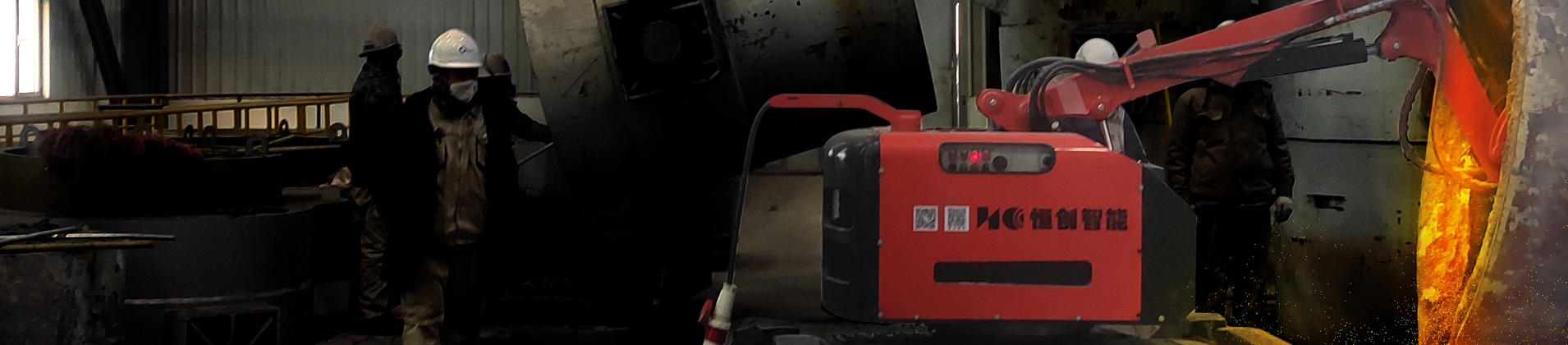
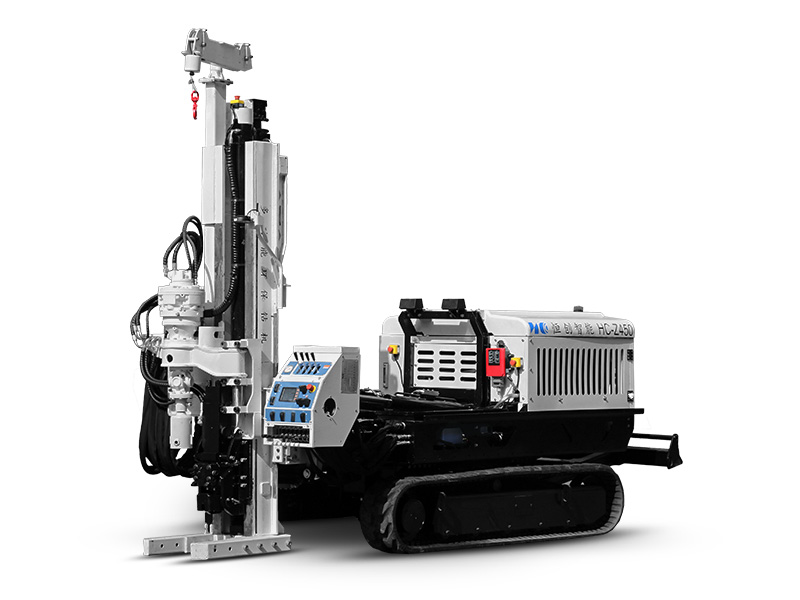
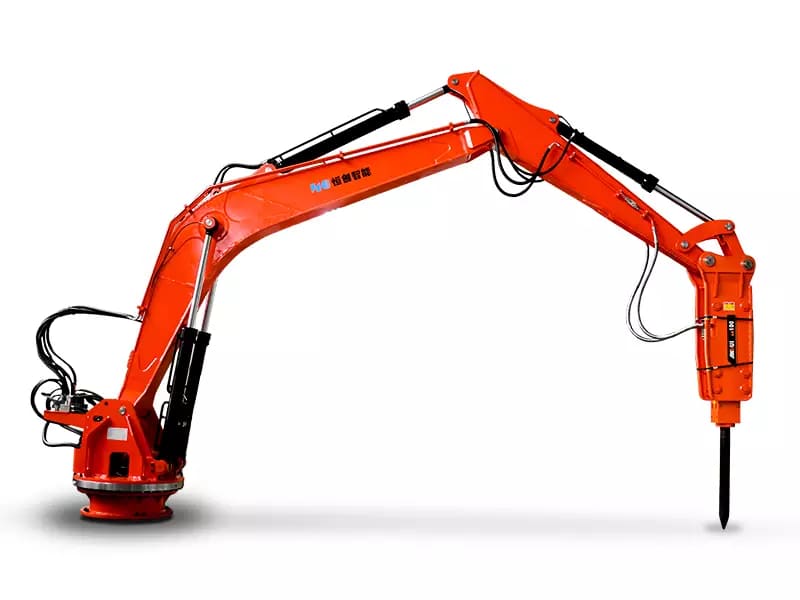
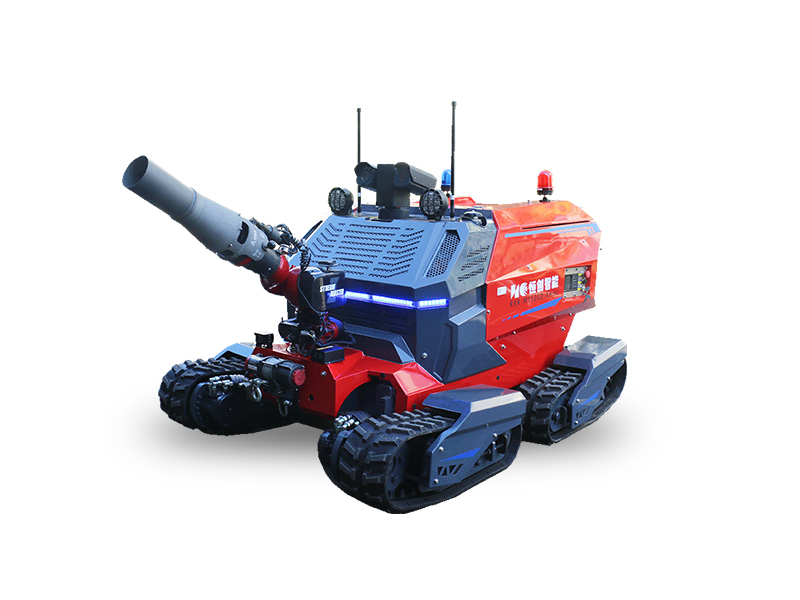
The demolition robot has moved well beyond being a remote-controlled substitute for handheld breakers. Today’s leading platforms are increasingly smart, safer to operate in high-risk environments, and more productive across varied demolition conditions—from interior strip-out to heavy concrete reduction. As demand rises for faster project cycles, tighter dust/noise controls, and improved worker safety, manufacturers have accelerated advances in the robotic demolition machine category. These innovations are reshaping how contractors plan, execute, and document robotic demolition, especially in dense urban sites, industrial plants, and refurbishment projects where conventional equipment can be disruptive or dangerous.
Below is a structured overview of the latest innovations in demolition robot technology, with practical context for how these advances affect jobsite outcomes.
A modern demolition robot is increasingly defined by its control stack. While early systems relied primarily on direct joystick commands, newer platforms add layers of assistance that make operation more precise and less fatiguing.
Key innovations include:
Fine-motion control and stabilization: Advanced hydraulic control and improved valve response reduce “overshoot” when positioning a breaker or crusher. This is especially valuable for a concrete demolition robot working near rebar, embedded utilities, or structural boundaries.
Load and tip-risk awareness: Many machines now integrate sensors that estimate load, boom position, and chassis stability. A robotic demolition machine can warn the operator, limit certain movements, or recommend repositioning—reducing the likelihood of tipping or uncontrolled tool behavior.
Remote operation improvements: Better wireless reliability, clearer camera feeds, and configurable control profiles reduce downtime and improve consistency in robotic demolition tasks where the operator must remain outside the hazard zone.
Why it matters: These control upgrades shorten the learning curve and improve accuracy, helping teams deploy a demolition robot more confidently on complex interior work and selective demolition where precision is critical.
Electrification is a major frontier. Although hydraulic actuation remains common due to tool demands, power sources and energy management have evolved significantly.
What’s changing:
Battery-electric models and hybrid configurations: Some demolition robot designs now use electric drive systems or hybrid setups that reduce on-site emissions and noise. This is particularly useful for indoor robotic demolition where ventilation constraints are tight.
Optimized hydraulic efficiency: Improved pump controls, energy recovery concepts, and smarter power distribution reduce heat generation and fuel/electric consumption.
Reduced idling and smarter standby: A robotic demolition machine may automatically lower power draw when tools are not engaged, extending runtime and reducing operating costs.
Why it matters: Lower noise and zero or reduced emissions expand where a concrete demolition robot can work—such as hospitals, commercial renovations, tunnels, and occupied buildings—while also helping contractors meet increasingly strict environmental requirements.
Innovation isn’t only in the carrier; it is also in the tools. A demolition robot is often only as productive as its attachment compatibility and changeover speed.
Notable advances:
Quick-coupler systems and rapid tool swaps: Faster transitions between breakers, crushers, scabblers, and buckets reduce idle time. This turns a robotic demolition machine into a multi-purpose platform for mixed-scope projects.
Higher-performance crushers and pulverizers: Improved jaw geometry, wear materials, and hydraulic optimization increase throughput, especially for reinforced concrete.
Purpose-built attachments for tight spaces: Compact tools expand interior robotic demolition capabilities where access and swing radius are constrained.
Why it matters: Contractors can use a single demolition robot to shift between chipping, crushing, and cleanup tasks—improving utilization and reducing reliance on multiple specialized crews.
Fleet management and uptime are major differentiators in modern construction equipment, and the demolition robot is no exception. The latest models increasingly act like connected industrial devices.
Capabilities you now see more often:
Remote diagnostics and event logs: A robotic demolition machine can track fault codes, overheating events, or pressure anomalies, enabling faster troubleshooting.
Maintenance scheduling based on usage: Rather than relying only on calendar intervals, a concrete demolition robot can support service planning based on tool hours, duty cycle, and hydraulic load patterns.
Predictive wear insights: Some systems correlate operating conditions with wear rates on key components (hoses, seals, bushings), helping reduce unplanned downtime.
Why it matters: When robotic demolition is on the critical path of a refurbishment project, preventing downtime can have an outsized impact on schedule and cost.
Regulatory pressure and client expectations are accelerating dust and noise controls. Modern demolition robot deployments increasingly combine machine features with site systems to keep work compliant.
Latest approaches include:
Integrated water mist interfaces: A robotic demolition machine may offer simplified hookups or mounting options for dust suppression systems, especially for interior work.
Tool-side vibration optimization: Better tool design and control tuning reduce vibration transmission, improving tool efficiency and helping protect the machine.
Operational precision to reduce overbreak: With improved control, a concrete demolition robot can remove material more selectively, reducing unnecessary dust and secondary cleanup.
Why it matters: Cleaner robotic demolition improves safety, reduces rework, and often makes it easier to work alongside other trades in active renovation environments.
Many of the highest-growth use cases for a demolition robot are in constrained environments: basements, stairwells, corridors, industrial mezzanines, and tunnels. Manufacturers are responding with machines that pack more capability into smaller footprints.
Key trends:
Stronger booms and chassis engineering: Better materials and structural design allow higher tool forces without ballooning machine size.
Modular width and access configurations: Some robotic demolition machine designs can pass through narrow openings and then expand for stability once inside.
Transport and setup simplification: Easier loading, improved tie-down points, and faster commissioning reduce friction for frequent redeployment.
Why it matters: A compact demolition robot reduces the need for manual demolition in tight areas, improving both safety and productivity.
Remote operation depends on visibility. This has driven rapid improvements in camera systems and lighting packages.
Common upgrades include:
Multi-camera coverage: Forward, tool-side, and rear viewpoints reduce blind spots, which is crucial for safe robotic demolition in dynamic indoor environments.
Better low-light performance: Stronger LEDs and improved camera sensors support night work and poorly lit industrial interiors.
Optional recording for documentation: In some scenarios, the demolition robot can support recording for quality control, training, or incident review.
Why it matters: Better visibility helps operators maintain control accuracy, avoid collisions, and work more confidently around structural constraints.
A concrete demolition robot must handle reinforced material, varying slab thicknesses, and the need for controlled removal. Newer solutions focus on matching tool forces, reach, and stability to these realities.
What’s improving:
Higher-impact breaker performance at manageable weight: More effective impact energy per kilogram improves performance without requiring a much larger carrier.
Better control for selective removal: Precision is critical when removing concrete around embedded elements or leaving certain structural portions intact.
Rebar-aware workflows (operator-guided): While full automation is still limited in many job sites, modern robotic demolition increasingly uses operator assistance and better tooling to reduce rebar hang-ups and improve downstream handling.
Why it matters: These improvements make a robotic demolition machine more viable for structural alterations, not just light interior work.
Safety is often the primary business case for adopting a demolition robot. Innovations continue to focus on reducing exposure to falling debris, silica dust, and unstable structures.
Important developments include:
Extended remote distance and better signal resilience: Operators can control the demolition robot from safer positions while maintaining responsiveness.
Failsafe behaviors and controlled shutdown: Improved emergency-stop logic and hydraulic pressure management help prevent uncontrolled movements.
Better ergonomics and reduced fatigue: Operator comfort matters because fatigue can increase risk. Improved controls and visibility reduce the cognitive load during long robotic demolition sessions.
Why it matters: Safety improvements reduce incidents and also help contractors staff difficult demolition tasks more consistently.
Looking forward, the most meaningful breakthroughs for the demolition robot are likely to occur in:
Semi-autonomous task assistance (e.g., maintaining tool pressure against a surface, controlled depth removal, or automated “patterning” for scabbling).
Stronger integration with digital workflows, including site reporting, equipment utilization analytics, and compliance documentation.
More electric-first designs, especially for indoor renovation where emissions and noise restrictions are strongest.
The pace of change suggests that the robotic demolition machine will continue to expand into roles once dominated by manual crews, particularly for repetitive, high-risk, or indoor demolition where controlling dust and noise is a persistent constraint. As robotic demolition becomes standard practice on more sites, differentiation will increasingly depend on uptime, tool versatility, operator assistance, and the ability to work cleanly and safely in demanding environments.
1) What should I look for when choosing a demolition robot for interior projects?
Prioritize a demolition robot with compact access dimensions, strong visibility (multi-camera support), and dust-control compatibility. For interior robotic demolition, low noise, stable remote connectivity, and easy tool swaps on the robotic demolition machine can materially affect productivity.
2) How is a concrete demolition robot different from other demolition robots?
A concrete demolition robot is typically configured for higher tool forces, stability, and attachments optimized for reinforced concrete. In robotic demolition of slabs and walls, breaker performance, crusher effectiveness, and precision control are often more important than travel speed.
3) Are demolition robots fully autonomous today?
In most real job sites, a demolition robot is primarily remotely operated rather than fully autonomous. However, modern robotic demolition machine platforms increasingly include operator assistance features—stability warnings, fine-motion control, and diagnostic intelligence—that make robotic demolition safer and more consistent, even without full autonomy.