In recent years, the demolition robot has become a transformative solution in construction, mining, and industrial dismantling. As projects grow more complex and safety requirements become stricter, traditional manual demolition methods are increasingly replaced by intelligent, mechanized alternatives. Among these, the robotic demolition machine and the remote control demolition robot stand out for their precision, safety, and efficiency.
This article takes a deep dive into how remote-controlled demolition robots work, what components make them effective, where they are used, and why they are reshaping the future of demolition. Written from a professional Google SEO perspective, the content balances technical depth with readability, making it useful for engineers, contractors, and decision-makers alike.
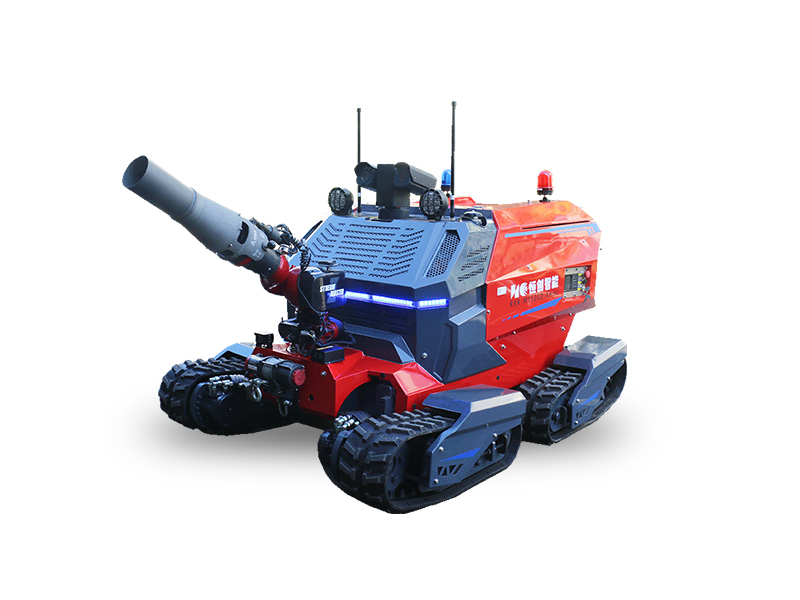
A demolition robot is a compact, tracked or wheeled machine designed to perform controlled demolition tasks using remote operation. Unlike traditional heavy demolition equipment, these machines can work in confined spaces, hazardous environments, or structurally sensitive areas where human operators would be at risk.
Most modern demolition robots fall under the category of robotic demolition machines, meaning they integrate mechanical power, hydraulic systems, and electronic controls into a single intelligent platform. When operated from a safe distance, they are commonly referred to as remote control demolition robots.
Before understanding how a demolition robot works, it is important to understand why it exists.
Traditional demolition often exposes workers to:
Falling debris
Dust, noise, and vibration
Toxic materials
Structural instability
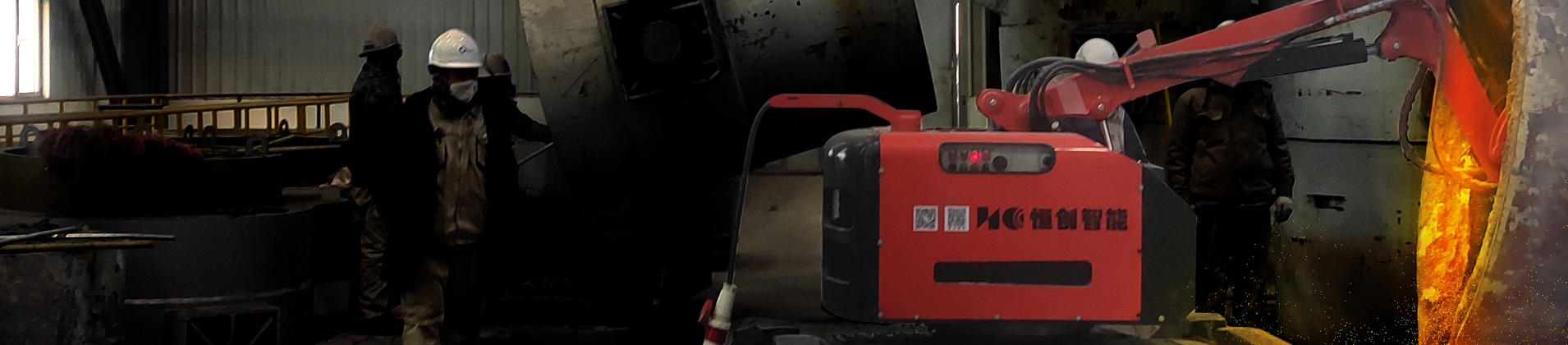
A remote control demolition robot removes the operator from the danger zone. The human controls the machine using a wired or wireless controller, often from tens or even hundreds of meters away. This separation dramatically improves safety while maintaining or even increasing productivity.
A demolition robot may look compact, but it is packed with advanced systems. Each component plays a critical role in how the robotic demolition machine functions.
Most demolition robots use tracked undercarriages rather than wheels. Tracks provide:
High stability
Strong traction on rubble or uneven ground
Low ground pressure for delicate surfaces
Some remote control demolition robots also include adjustable tracks or outriggers to improve balance during high-impact operations.
The power system is the heart of any demolition robot. It typically includes:
Electric motors (often powered by external electricity)
Hydraulic pumps driven by electric motors
Electric-powered robotic demolition machines are especially popular for indoor demolition because they produce no exhaust fumes and generate less noise.
The hydraulic system converts power into mechanical force. This is what allows a demolition robot to:
Break reinforced concrete
Crush brick and stone
Cut steel structures
High-pressure hydraulics enable small demolition robots to deliver surprisingly large impact forces, rivaling much larger machines.
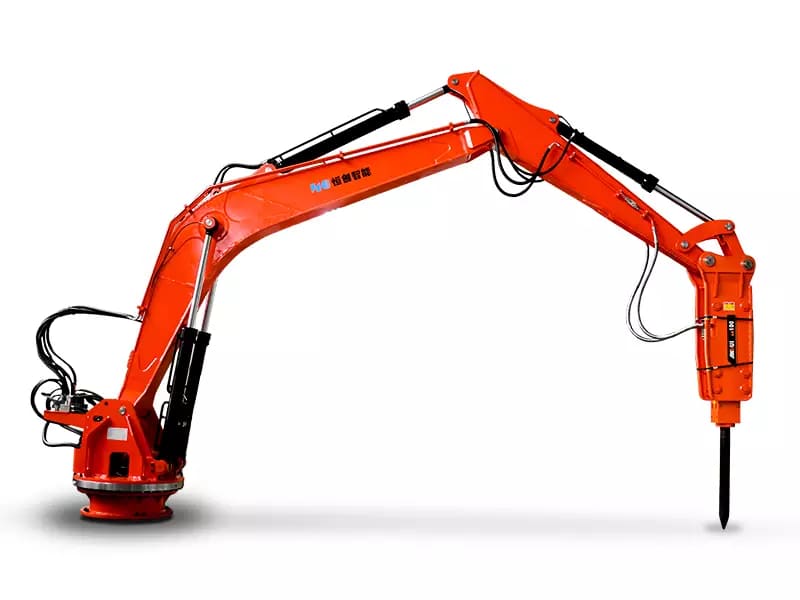
The robotic arm is one of the most visible parts of a demolition robot. It typically features:
Multiple joints for flexibility
Reinforced steel construction
A standardized tool attachment interface
Common attachments include:
Hydraulic breakers
Crushers
Pulverizers
Steel shears
Drills
By switching tools, a single robotic demolition machine can handle multiple tasks on the same site.
The defining feature of a remote control demolition robot is its control interface. Operators use:
Wired remote controls for maximum reliability
Wireless remote controls for flexibility and long range
Advanced systems include real-time feedback such as:
Load monitoring
Temperature alerts
Stability warnings
This allows precise control and reduces the risk of tipping or overloading.
Understanding the working principle of a demolition robot becomes clearer when broken into operational steps.
The robotic demolition machine is transported to the job site, often through narrow doorways or elevators. Once in position:
Power cables are connected
The remote control system is tested
Safety checks are performed
Based on the demolition task, the operator selects the appropriate attachment. For example:
Concrete walls → hydraulic breaker
Steel beams → hydraulic shear
Interior renovation → crusher or pulverizer
Tool changes are usually quick, minimizing downtime.
From a safe location, the operator controls the demolition robot using joysticks and switches. Commands are transmitted to the machine’s control unit, which:
Activates hydraulic valves
Moves the robotic arm
Adjusts track speed and direction
This real-time control allows extremely precise demolition, even in sensitive environments.
As the demolition robot works, materials are broken into manageable pieces. In many cases:
Debris is left for manual or mechanical removal
Additional equipment such as loaders handles cleanup
The robotic demolition machine focuses solely on controlled destruction, maximizing efficiency.
The growing popularity of demolition robots is not accidental. Their advantages are clear and measurable.
By using a remote control demolition robot, workers avoid:
Direct exposure to collapsing structures
Excessive vibration
Harmful dust and noise
Safety is the number one reason many companies invest in demolition robots.
A robotic demolition machine allows selective demolition. This is crucial when:
Preserving nearby structures
Working inside occupied buildings
Removing specific sections of concrete or steel
Many demolition robots are small enough to:
Fit through standard doorways
Operate on upper floors
Work in tunnels or confined industrial spaces
This makes them ideal for renovation and refurbishment projects.
Electric demolition robots produce:
Zero on-site emissions
Lower noise levels
Reduced vibration impact
These factors make them suitable for urban and indoor projects where environmental regulations are strict.
A demolition robot is used across many industries, including:
Building renovation and interior demolition
Industrial plant dismantling
Tunnel and mining operations
Nuclear decommissioning
Foundry and furnace demolition
Bridge and infrastructure repair
In all these scenarios, the robotic demolition machine provides safer and more efficient results than manual methods.
While powerful, a demolition robot is not a universal solution. Some limitations include:
Higher upfront investment
Dependence on power supply
Lower efficiency in large-scale open demolitions compared to heavy excavators
However, when safety, precision, and access are priorities, the remote control demolition robot remains unmatched.
The future of demolition robots points toward:
Increased automation
AI-assisted operation
Improved sensors and stability systems
Hybrid power solutions
As technology evolves, the robotic demolition machine will continue to replace hazardous manual labor and redefine demolition standards worldwide.
So, how do remote-controlled demolition robots work? At their core, they combine electric power, hydraulic force, intelligent control systems, and remote operation to deliver safe, precise, and efficient demolition. The demolition robot, whether referred to as a robotic demolition machine or a remote control demolition robot, is no longer a niche tool—it is a critical asset in modern demolition projects.
By reducing risk, improving accuracy, and adapting to challenging environments, demolition robots are shaping the future of the industry.
1. What is the main difference between a demolition robot and traditional demolition equipment?
A demolition robot is remotely operated and designed for safety and precision in confined or hazardous environments, while traditional equipment relies on on-board operators and is better suited for large open demolition areas.
2. Can a remote control demolition robot replace human workers entirely?
No. A remote control demolition robot reduces direct exposure to danger, but skilled operators, planners, and support crews are still essential for safe and efficient demolition.
3. Is a robotic demolition machine suitable for indoor demolition projects?
Yes. In fact, a robotic demolition machine is ideal for indoor demolition due to its compact size, electric power system, and precise remote control capabilities.