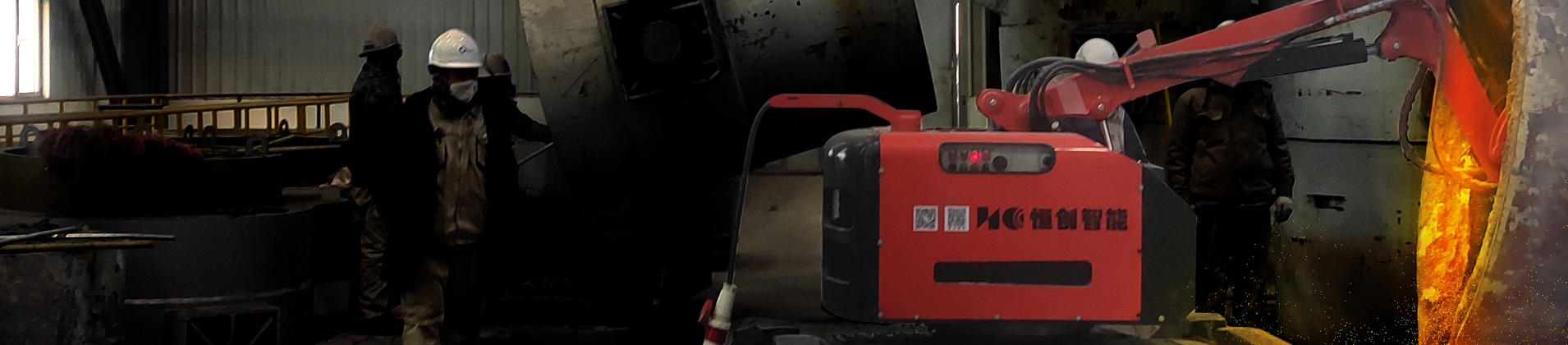
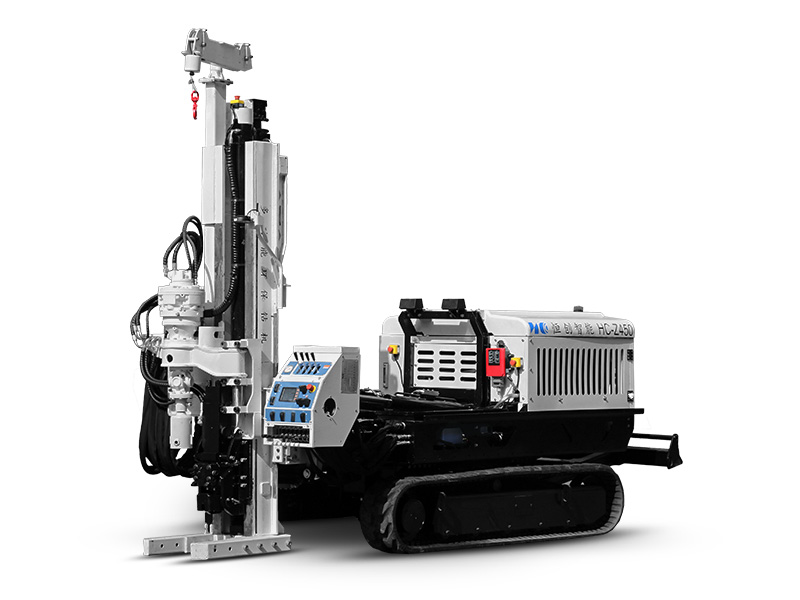
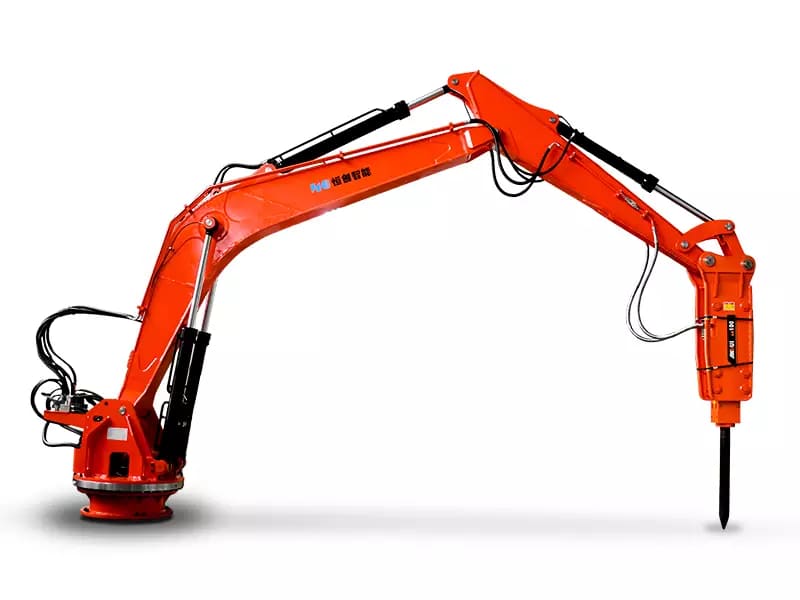
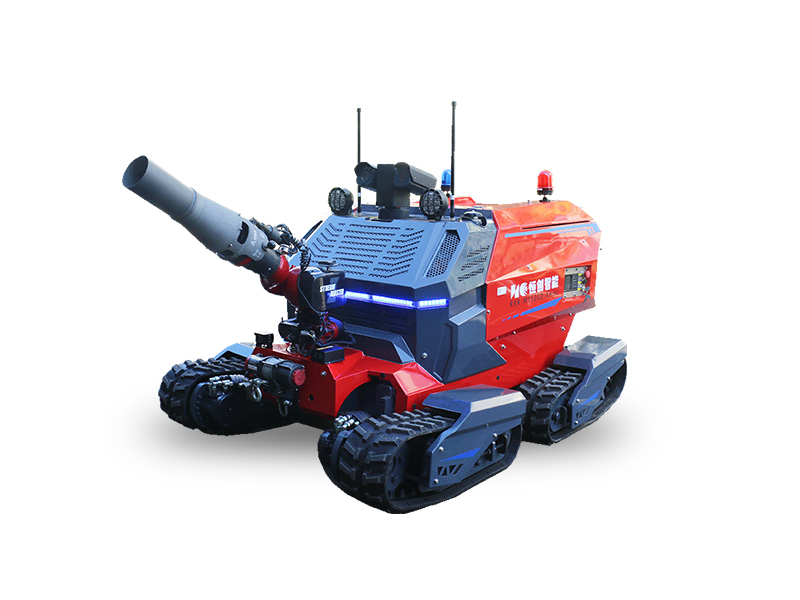
Refractory demolition is one of the most demanding tasks in heavy industry. Furnaces, kilns, ladles, boilers, incinerators, and reactors all rely on refractory linings to withstand extreme heat, corrosion, and abrasion. But those linings eventually crack, wear out, or become unstable, and when they do, removal is necessary before relining can begin. Traditionally, this work has been done with manual tools, high-risk access methods, and long shutdown periods. Today, the demolition robot is changing that model.
A demolition robot brings higher precision, stronger safety performance, and better operational efficiency to refractory demolition. In industries where every hour of downtime matters, robotic demolition is becoming a practical and increasingly preferred solution.
Refractory materials are designed to be tough. That is exactly why removing them is difficult. In steel plants, cement plants, foundries, glass factories, waste treatment facilities, and petrochemical sites, refractory demolition often takes place in confined spaces and hazardous environments. Workers may face:
High residual temperatures
Dust, falling debris, and unstable linings
Tight access inside vessels or process units
Noise and vibration from breaking tools
Time pressure during shutdown maintenance windows
Manual demolition in these conditions can expose crews to significant physical strain and safety risks. It is also harder to maintain consistent removal quality when access is limited or when the structure must be preserved.
A demolition robot is a compact, remote-controlled machine designed to carry hydraulic breakers, crushers, buckets, and other attachments. For refractory demolition, its main advantage is simple: it keeps the operator away from the hazard zone while still delivering strong breaking force in a controlled way.
Instead of sending workers directly into unstable or heat-affected areas, the operator can control the machine from a safer distance. This improves both safety and visibility. At the same time, the machine can work with greater consistency than handheld demolition methods, especially over long shifts.
In refractory applications, robotic demolition is especially valuable because it combines three qualities that are often hard to achieve together: compact size, maneuverability, and high impact performance.
Safety is the strongest argument for adopting a demolition robot in refractory work. Remote operation reduces direct worker exposure to hot zones, overhead hazards, dust, and rebound from impact tools. This is particularly important during shutdowns where structural uncertainty or residual process heat may still be present.
A demolition robot also reduces the need for operators to work for long periods in awkward postures with heavy pneumatic or hydraulic handheld tools. That lowers fatigue and can help reduce injury risk.
Industrial shutdowns are expensive. In many plants, maintenance schedules are tight, and delays in refractory removal can push back relining, inspection, and restart. A demolition robot can speed up material removal by delivering continuous, controlled breaking force with less interruption.
Because the machine works efficiently in confined industrial environments, it can shorten the demolition phase and help maintenance teams stay on schedule. Faster refractory removal often translates into less downtime and better cost control.
Not every refractory demolition task requires complete destruction of all surrounding structures. In many cases, contractors need to remove worn refractory while protecting steel shells, anchors, support components, or adjacent process equipment.
A demolition robot gives operators more control over tool positioning and breaking intensity. This makes selective demolition easier and reduces the risk of unnecessary damage to valuable plant infrastructure.
Modern demolition robot designs are compact enough to pass through narrow openings, move inside industrial vessels, and operate where larger machines cannot. This is a major advantage in refractory demolition, where access is often limited by hatches, service doors, platforms, or existing plant layouts.
Compact robotic demolition equipment can also be easier to transport between maintenance zones, which improves flexibility during complex shutdown operations.
The demolition robot is increasingly used in refractory demolition across a range of sectors:
In steel plants, refractory removal is common in ladles, tundishes, furnaces, converters, and other high-temperature process units. Robots help remove damaged lining more safely and quickly, especially during scheduled maintenance.
Cement kilns, preheaters, coolers, and related systems often require refractory replacement. Robotic demolition helps maintenance teams work in narrow and dusty environments with better control.
Incinerators and thermal treatment units operate under harsh conditions that accelerate refractory wear. Robotic demolition supports efficient shutdown maintenance while reducing worker exposure.
In reactors, heaters, and process vessels, refractory demolition often demands careful removal without harming surrounding components. The precision of a demolition robot is highly valuable in these settings.
Furnaces and thermal chambers in these industries need periodic refractory maintenance. Remote-controlled demolition can improve work quality while limiting manual exposure.
Not all robotic demolition equipment is equally suitable for refractory applications. Buyers should evaluate several points:
The machine must match site conditions. Door widths, floor loading, vessel access, and transport paths all matter.
Hydraulic breakers are common, but depending on the task, crushers or other tools may also be useful. Versatility can improve return on investment.
In tight industrial environments, a high power-to-weight ratio is critical. The robot should be compact, but still strong enough to break dense refractory materials efficiently.
Reliable control and safe operating distance are essential. Good visibility and responsive handling improve both productivity and precision.
Industrial shutdown work is time-sensitive. Equipment reliability, spare parts availability, and technical support all influence total project performance.
The shift toward robotic demolition reflects a broader industrial trend: safer, smarter, and more controlled maintenance operations. As plants continue to emphasize worker safety, uptime, and cost efficiency, the demolition robot will likely play a larger role in refractory demolition planning.
In the future, adoption may accelerate further as contractors and plant owners seek solutions that reduce labor intensity, improve predictability, and support stricter safety standards. What was once considered specialized equipment is increasingly becoming a standard industrial maintenance tool.
Refractory demolition is demanding work, but it no longer has to rely on high-risk, labor-intensive methods alone. A demolition robot offers a more advanced approach by improving safety, increasing precision, and helping plants complete shutdown work more efficiently. For industries that depend on high-temperature equipment, robotic refractory demolition is not just an innovation in machinery. It is a practical step toward better maintenance performance.
The main advantage is improved safety combined with higher efficiency. Operators can work remotely while the machine removes refractory material with controlled force, reducing exposure to hazardous conditions.
It is commonly used in steel, cement, petrochemical, waste-to-energy, foundry, and glass industries, where furnaces, kilns, ladles, and reactors require periodic refractory replacement.
Yes. Many demolition robot models are specifically designed for compact access and strong performance in narrow, restricted, or difficult-to-reach industrial environments.
For companies looking to improve safety and efficiency in high-temperature industrial demolition, advanced robotic solutions are becoming an important part of modern maintenance strategy. To learn more about demolition robot solutions and related equipment, visit: https://www.hcrot.com/