Future of Demolition Robotics: Why Electric, Remote-Controlled Demolition Robots Are Reshaping the Industry
The modern demolition robot is transforming how contractors handle complex, high-risk demolition projects. In the past, demolition was often associated with manual labor, large diesel-powered machines, heavy dust, and significant worker exposure to danger. Today, the industry is moving toward cleaner, safer, and more precise solutions.
That shift is driving the rapid growth of robotic demolition. From commercial building renovation to tunneling, mining, and industrial maintenance, companies are increasingly adopting machines that combine compact size, high power, and remote operation. Among these innovations, the remote-controlled demolition robot stands out as one of the most important developments shaping the future of demolition work.
Electric-powered systems are pushing this transformation even further. With lower emissions, lower noise, and better suitability for indoor and confined-space jobs, the next generation of demolition robotics is redefining what efficient demolition looks like.
Traditional demolition methods still play a role in large-scale teardown projects, but they are often less effective in modern work environments where safety, selectivity, and environmental performance matter more than ever.
Handheld breakers and other manual tools require workers to remain close to unstable walls, falling debris, vibration, and airborne dust. This creates higher safety risks and physical strain, especially on projects that involve reinforced concrete or difficult access points.
Excavators and other heavy machines can provide strong breaking force, but they are not always practical for indoor demolition, basements, tunnels, upper floors, or structurally sensitive areas. In many cases, access restrictions or floor load limits make compact equipment a better choice.
Modern demolition is often about removing specific sections rather than destroying an entire structure. This requires more control and accuracy, which is exactly where a demolition robot offers an advantage over conventional approaches.
The rise of robotic demolition reflects broader changes in construction, renovation, and industrial maintenance. Contractors now need equipment that delivers more than raw force. They need solutions that improve safety, increase precision, and reduce operational disruption.
A robotic demolition machine can fit into spaces where traditional equipment cannot go, while still delivering substantial breaking power. This makes it ideal for interior demolition, stair removal, tunnel scaling, and plant maintenance.
A remote-controlled demolition robot allows operators to work from outside the danger zone. Instead of standing near crumbling concrete or dust-heavy work areas, they can control the machine remotely with greater visibility and reduced risk.
Different tools allow the same machine to perform a wide variety of tasks, including breaking, crushing, scaling, and surface preparation. This versatility increases equipment value and helps contractors use one demolition robot across multiple project types.
The move toward electric-powered machinery is one of the clearest signs of where the industry is heading. An electric demolition robot is increasingly preferred on projects where environmental standards, jobsite restrictions, and indoor operating conditions make diesel-based equipment less suitable.
An electric demolition robot produces no exhaust emissions during operation. This makes it highly effective in enclosed or poorly ventilated environments such as factories, tunnels, hospitals, parking garages, and commercial buildings.
Noise reduction is an important advantage in urban demolition and interior renovation. Electric systems help minimize disruption in residential areas, occupied buildings, and other noise-sensitive locations.
Compared with internal combustion equipment, electric machines can simplify certain maintenance requirements. Fewer engine-related service needs may improve uptime and reduce long-term operating burden.
The remote-controlled demolition robot is especially valuable in dangerous work conditions where direct human exposure should be minimized.
When dealing with fire-damaged buildings, cracked concrete, old industrial sites, or partially collapsed structures, remote operation helps keep workers away from the most dangerous areas.
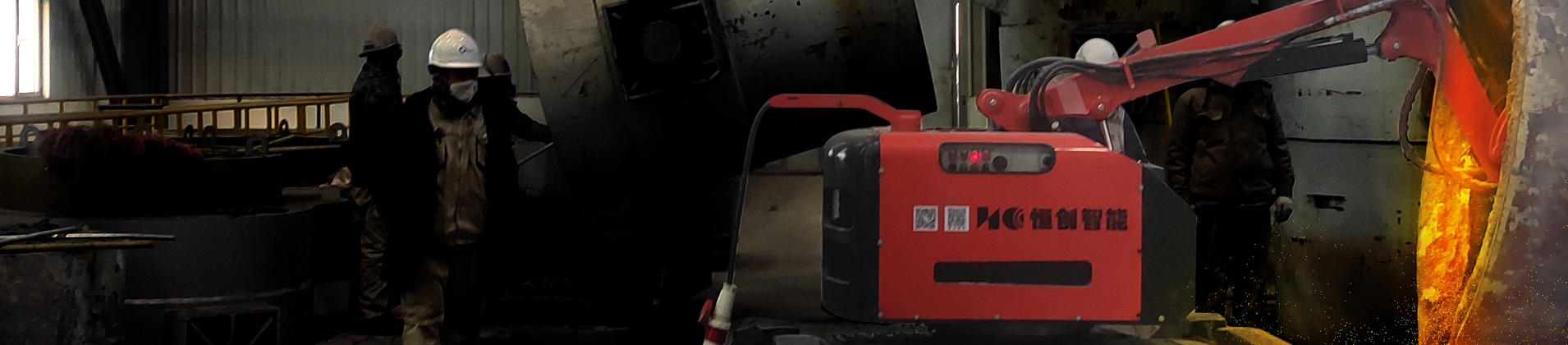
Industrial demolition often involves challenging environments such as kilns, furnaces, tunnels, and processing plants. A remote-controlled solution makes it possible to maintain productivity while lowering operator exposure.
Because operators are not carrying heavy handheld tools or standing directly in the demolition zone, they can work with less fatigue and maintain better consistency throughout the project.
The future of demolition robotics is closely tied to the growing demand for selective and controlled demolition. In many renovation and retrofit projects, success depends on removing exactly what is necessary while protecting surrounding structures.
A demolition robot is ideal for jobs where contractors must remove beams, walls, floors, or concrete sections without damaging nearby components that need to remain in place.
More accurate demolition reduces the chance of over-breaking, unintended damage, and cleanup delays. This can save both time and money while improving project outcomes.
Selective demolition can also improve waste sorting and recovery. When debris is removed in a more controlled way, contractors may find it easier to separate recyclable materials and support sustainability goals.
Demand for the demolition robot is growing across a wide range of industries, not just in traditional demolition contracting.
Interior demolition, structural modification, stair removal, and floor opening are common applications in commercial and residential redevelopment.
Compact robotic systems are well suited for scaling and breaking in narrow underground spaces where worker safety and access are major concerns.
A robotic demolition solution is often used for maintenance work in kilns, furnaces, and high-wear industrial environments where heat, dust, and access challenges are common.
Bridge repair, subway upgrades, utility access, and parking structure rehabilitation are all areas where a remote-controlled demolition robot can improve safety and efficiency.
For contractors, adopting a robotic demolition machine is not just a technical upgrade. It can also create important commercial benefits.
Companies equipped with electric and remote-controlled machines are better positioned to win jobs in restricted-access, indoor, and regulated environments.
Compact equipment can often be transported and deployed more quickly than larger alternatives, particularly in renovation or confined-space applications.
Improved safety performance can strengthen contractor reputation, reduce risk exposure, and support compliance with stricter jobsite regulations.
The future of demolition is no longer based only on bigger machines and higher impact force. It is being shaped by equipment that is smarter, cleaner, safer, and more precise. That is why the demolition robot is becoming such an important part of modern jobsite strategy.
As robotic demolition continues to expand, electric models will play a larger role in indoor, urban, and environmentally sensitive projects. At the same time, the remote-controlled demolition robot will remain essential for hazardous environments where operator safety and work accuracy are top priorities.
For contractors and project owners looking ahead, demolition robotics is not just a trend. It is a practical shift in how modern demolition work is performed. To learn more about demolition robot solutions and applications, visit https://www.hcrot.com/.
A demolition robot is used for concrete breaking, wall removal, tunnel scaling, industrial maintenance, selective structural demolition, and other tasks that require high power in compact or hazardous spaces.
A remote-controlled demolition robot improves safety by keeping operators away from dust, debris, vibration, and unstable structures. It also provides better precision and reduces physical strain compared with manual demolition methods.
Yes. An electric demolition robot is often a better choice for indoor work because it produces no on-site exhaust emissions, operates with lower noise, and is more suitable for enclosed environments such as factories, hospitals, and commercial buildings.
Robotic demolition is widely used in construction, renovation, mining, tunneling, cement plants, steel mills, and infrastructure repair projects where safety, compact access, and precision are important.
Demolition robotics improve efficiency by enabling faster setup, safer remote operation, more precise material removal, and better performance in restricted or hazardous environments. This can reduce rework, improve workflow, and expand the range of projects a contractor can take on.