Rock breakers are essential tools in industries such as mining, construction, and demolition. These machines, which include components like stationary rock breakers, rock breaker systems, and pedestal boom systems, are designed to break large rocks into smaller, manageable pieces. Given the heavy-duty nature of their operation, regular servicing and maintenance of a rock breaker are critical to ensuring optimal performance and longevity. In this article, we will discuss the steps to service a rock breaker effectively, while also identifying key components and maintenance tips that apply to systems such as pedestal rock breaker boom systems and related equipment.
Rock breakers are subjected to extreme stress due to their continuous exposure to hard materials like rocks and boulders. Over time, this wear and tear can lead to reduced efficiency, increased downtime, and costly repairs. Proper servicing ensures that your rock breaker machine operates at peak performance, minimizes breakdowns, and extends the life of the equipment.
Whether you’re using a stationary rock breaker or a pedestal boom system, following a consistent maintenance routine is vital. Below, we outline the key steps to service a rock breaker.
Before servicing a rock breaker, conduct a thorough visual inspection. Look for any visible damage, cracks, or wear on critical components such as the hammer, chisel, or tool bushings. Inspect the hydraulic hoses, seals, and fittings for leaks or deterioration, as these are common points of failure. For stationary rock breakers or pedestal rock breaker boom systems, also check the structural integrity of the mounting points.
Dust, dirt, and debris can accumulate on your rock breaker machine during operation. This buildup can impair performance and accelerate wear. Use compressed air or a pressure washer to clean the machine thoroughly. Pay special attention to areas where debris can clog moving parts, such as the boom joints or the hydraulic connections in a pedestal boom system.
Lubrication is one of the most critical aspects of servicing a rock breaker. Apply the recommended grease to all moving parts, including the tool bushings and the chisel. For pedestal rock breaker boom systems, ensure that the pivot points and joints are sufficiently lubricated to prevent seizing. Always use the manufacturer-recommended lubricants and adhere to the suggested intervals for re-greasing.
The hydraulic system is the heart of any rock breaker machine. Regularly inspect the hydraulic fluid levels and top up with the recommended oil if necessary. Contaminated or degraded hydraulic fluid can cause significant damage to the internal components of the system. Replace the hydraulic oil and filters as per the manufacturer’s guidelines. Additionally, check for leaks in the hydraulic lines and ensure that the pressure settings are within the specified range.
Rock breakers have wear parts that need regular replacement to maintain efficiency. These include the chisel or tool, tool bushings, and seals. Inspect these parts for wear and replace them as needed. Using worn-out tools can lead to reduced breaking efficiency and may damage other components, such as the hammer or piston.
The hammer and piston are critical components of any rock breaker system. Inspect these for signs of wear, cracks, or damage. Ensure that the piston is free of scoring and that the hammer operates smoothly. Any irregularities in these components can affect the overall performance of the machine.
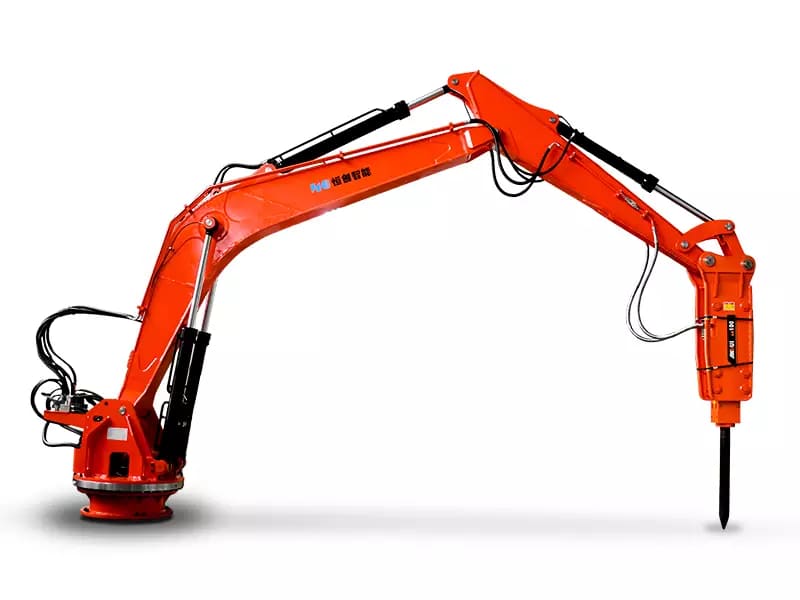
If your rock breaker is part of a pedestal boom system, test the boom’s range of motion and stability. Ensure that the boom moves smoothly and that there is no excessive play or looseness in the joints. Tighten any loose bolts or fasteners, and replace damaged pins or bushings.
After completing the servicing steps, calibrate the rock breaker machine to ensure that it is operating at the correct pressure and frequency. Test the machine under load conditions to verify its performance. For stationary rock breakers and pedestal boom systems, ensure that the equipment is securely mounted and operates without vibrations or excessive noise.
Servicing a rock breaker is not just about fixing issues—it’s about preventing them in the first place. Here are some preventative maintenance tips:
Even with regular servicing, rock breakers can encounter issues. Here are some common problems and how to address them:
How often should I service my rock breaker?
Regular servicing should be done every 250 to 500 operating hours, depending on the manufacturer’s recommendations and the working conditions.
What type of lubricant should I use for my rock breaker?
Use only the lubricant specified by the manufacturer. Using the wrong type can cause premature wear or damage.
How can I prevent hydraulic leaks in my rock breaker system?
Regularly inspect the hoses and seals for wear and tear. Replace damaged components immediately and ensure proper torque on all connections.
What are the signs that my rock breaker tool needs replacement?
A worn or deformed tool will reduce breaking efficiency and may cause damage to the hammer. Replace the tool if it shows significant wear or dullness.
Can I service my pedestal rock breaker boom system myself, or do I need a professional?
Basic maintenance, such as lubrication and inspections, can often be done by the operator. For more complex tasks, such as hydraulic system repairs, it’s best to consult a professional technician.
By following these steps and tips, you can ensure that your rock breaker machine, whether it’s a stationary rock breaker, rock breaker system, or pedestal boom system, operates efficiently and reliably. Regular servicing not only enhances performance but also saves you money on costly repairs and downtime.