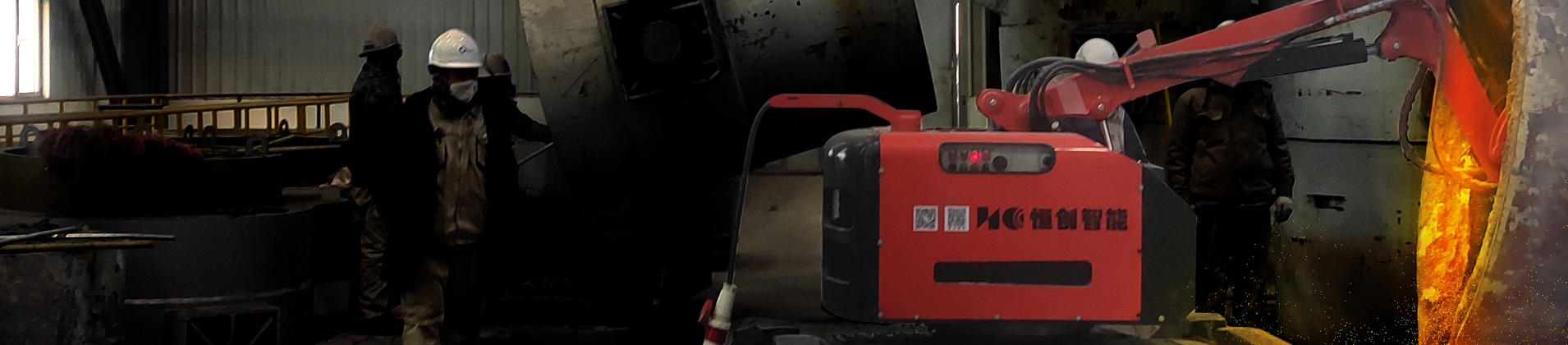
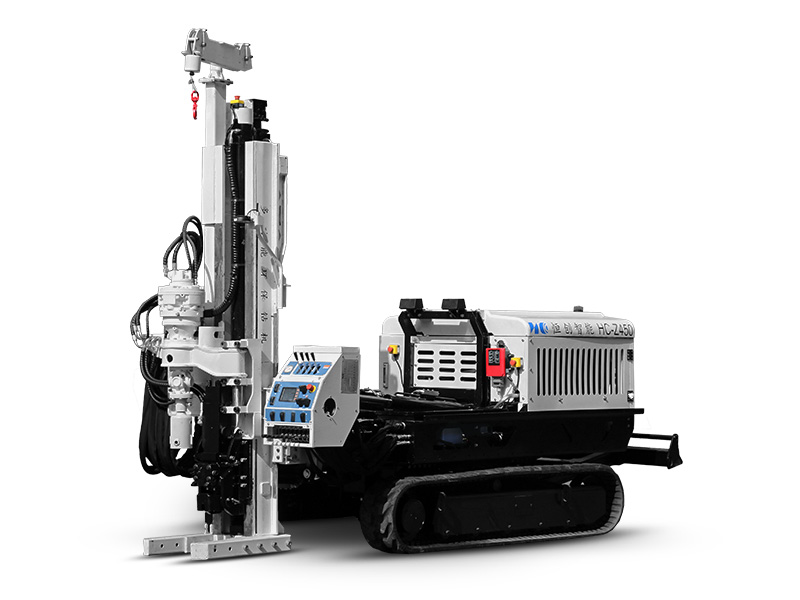
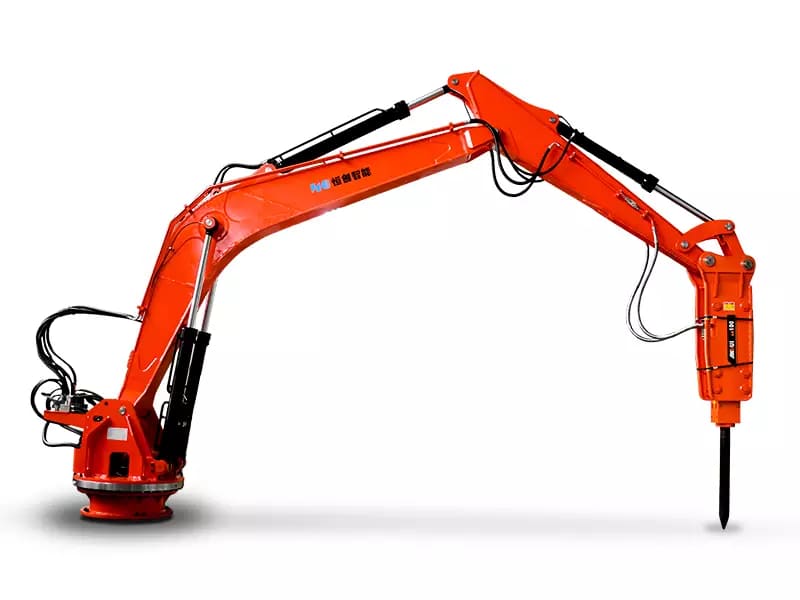
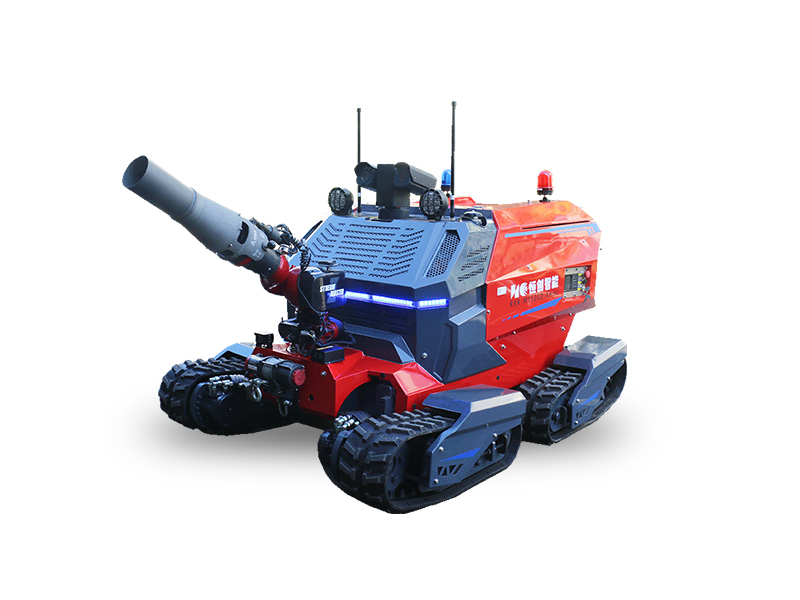
Mining sites don’t lack heavy equipment. What they often lack is a safe, repeatable way to do dirty, high-risk, high-frequency work—especially cleaning under moving or recently stopped conveyors, clearing spillage at transfer zones, and removing compacted fines in tight spaces where people shouldn’t be. That’s where the demolition robot is increasingly earning its keep.
A modern demolition robot (especially in a remote controlled demolition robot configuration) brings controlled force, stable reach, and tool flexibility into areas that traditionally require manual shoveling, handheld breakers, or risky access near pinch points. In practical mining terms: the demolition robot is becoming the “precision cleanup + controlled breaking” platform that supports throughput while lowering exposure to conveyor hazards.
Conveyors are productivity engines—and also persistent risk generators. Spillage under belts is not only an operational nuisance; it creates housekeeping and compliance problems, increases slip/trip risk, and can force personnel into the danger zone around moving equipment. This is exactly why many mines try to minimize “people-in-the-line-of-fire” tasks in conveyor corridors and transfer houses.
Spillage and dust accumulation also compound operational risk: they can interfere with belt tracking, foul structures and idlers, and drive unplanned shutdowns for cleanup. Over time, that “small mess” becomes a maintenance tax—paid in downtime, labor hours, and exposure.
This is the problem space where the demolition robot shines: it reduces the need for humans to enter the hazard envelope while still delivering the physical capability needed to break, rake, and remove material.
A demolition robot is not “just another breaker.” In mining operations, the value is systemic:
Exposure reduction near conveyors and pinch points
A remote controlled demolition robot keeps operators off the structure, away from nip hazards, and out of confined or dusty zones while performing the work that used to require close proximity. You’re still applying site rules, isolation procedures, and exclusion zones—but with fewer people physically present in high-risk areas.
Precision cleanup under conveyor infrastructure
Mines commonly need targeted removal of spillage under return belts, at loading points, and around chutes. A demolition robot can be positioned for controlled reach and incremental removal—without the chaos of large mobile equipment crowding the area.
Tool-driven versatility
A single demolition robot chassis can support multiple attachments for breaking, digging, scraping, grabbing, and material handling. That versatility is why robotic demolition in mining is increasingly about maintenance and housekeeping—not only tearing down structures.
Infrastructure protection
Under-conveyor cleanup can be deceptively destructive: one wrong swing can take out guarding, cable trays, skirting, sensors, or idlers. A demolition robot is built for controlled, deliberate action—helping protect infrastructure while restoring housekeeping standards.
In other words, the demolition robot turns a recurring “stop work / manual exposure / cleanup sprint” into a repeatable, measurable maintenance routine. This is robotic demolition redefined: surgical work that keeps production stable.
Let’s make the scenario concrete.
Spillage buildup under return belts and along walkways increases housekeeping workload and creates persistent rework.
Accumulated fines under structures can harden, compact, and become difficult to remove without breaking tools.
Maintenance access often requires awkward postures, confined reach, and sometimes partial guard removal—conditions that increase risk if not managed perfectly.
A well-planned conveyor-area cleanup routine with a demolition robot typically looks like this:
Job planning and controlled area setup
The conveyor corridor is managed with proper procedures: isolation where required, clear communication, barricading/exclusion zones, and a defined work method. The goal is predictable operations—no improvisation.
Positioning for reach and stability
The remote controlled demolition robot is placed where it can work “inboard” under structures while staying stable. Operator control is done from a safe standoff position with clear visibility.
Incremental removal: break → rake → collect
Use the demolition robot tool to break compacted spillage and loosen packed fines.
Transition to raking/scraping motions to pull material away from structural members and out from under the belt line.
Use grabbing/handling to remove larger debris or consolidated chunks without manual lifting.
Final precision pass and verification
The demolition robot can do a last pass around sensitive infrastructure—guards, sensors, cables—where controlled movements reduce accidental damage. The result is cleaner corridors, fewer recurrence cycles, and reduced downtime pressure caused by recurring buildup.
This is where robotic demolition becomes a production tool. The demolition robot is doing “maintenance demolition”—the controlled removal of the material that steals uptime.
A demolition robot earns its ROI faster when it becomes a multi-scenario asset across the mine:
Oversize rock and stubborn chunks at chutes or crusher feed points cause stoppages and unsafe interventions. A remote controlled demolition robot can perform controlled breaking and clearing while keeping people out of hazardous pinch zones. This shifts oversize management from reactive, manual “hot work” into a predictable process.
Mines routinely face awkward access: tight galleries, low clearances, localized buildup, and areas with poor visibility and high dust. A demolition robot with appropriate reach and compact mobility can operate in these conditions while the operator stays in a safer control position. In many sites, that standoff capability is the deciding factor for adoption.
Transfer points are notorious for spillage and fines accumulation. Even when dust suppression is installed, the physical buildup still needs to be removed. Using a demolition robot to perform periodic cleanup reduces the frequency of manual intervention and helps keep transfer houses more consistent—supporting both operational discipline and environmental controls.
If your priority is precision cleaning under conveyor structures while protecting infrastructure, evaluate the demolition robot against mining-specific requirements:
Reach geometry and working envelope
Under-conveyor work often requires low-profile reach and controlled articulation. A demolition robot with stable extension and predictable actuation helps avoid accidental strikes.
Attachment ecosystem
Conveyor cleanup is rarely “just breaking.” Prefer a demolition robot platform with quick-change tooling so you can switch between breaker, bucket, rake, grapple, or cleaning-focused tools—true robotic demolition flexibility.
Remote control feel and micro-movement control
A remote controlled demolition robot must support smooth, precise movements for near-infrastructure work. The ability to “feather” motions matters more than raw power when you’re working around cables, skirting, sensors, and guard rails.
Mobility and access logistics
Can the demolition robot be deployed quickly to the belt line without disrupting traffic and workflows? In mining, the best machine is the one you can actually get to the job in time.
Serviceability, robustness, and uptime
Mines punish equipment. A demolition robot should be maintainable with clear schedules and durable components suited to abrasive environments, vibration, and dust.
Buying a demolition robot is easy. Embedding a demolition robot into daily operations requires process:
Standardize job plans for conveyor cleanup tasks (trigger conditions, isolation steps, positioning, tool sequence). A standardized method reduces variability and avoids risky improvisation.
Train operators on “precision-first” habits: slow approach near cables/guards, incremental removal, controlled tool contact, and consistent visibility checks.
Track the right metrics: belt downtime avoided, labor-hours removed from exposure zones, cleanup cycle time, repeat spillage intervals, and infrastructure damage incidents.
Define the robotic demolition portfolio: conveyor cleanup, transfer zone clearing, secondary breaking, confined-space maintenance. The broader the portfolio, the higher the utilization and ROI for your demolition robot fleet.
A mature site treats the demolition robot as a shared productivity asset—scheduled, dispatched, and measured like any other critical equipment.
Mining operations win when they protect people and keep material moving. Under-conveyor cleanup and transfer-zone spillage are exactly the kind of recurring, hazardous tasks that drag down both safety and uptime. A demolition robot—especially a remote controlled demolition robot built for robotic demolition in tough environments—lets mines execute precision cleaning, controlled breaking, and debris handling while keeping operators away from conveyor hazards and reducing accidental infrastructure damage.
If you’re evaluating a mining-ready demolition robot platform for conveyor-area work and broader mine maintenance applications, you can explore product and application details at https://www.hcrot.com/.
A demolition robot can replace a large portion of manual under-conveyor cleanup and breaking tasks, especially when paired with the right attachments. The biggest gain is reducing time spent by workers in high-risk conveyor corridors while making cleanup more consistent.
Yes. A remote controlled demolition robot is often well-suited to confined or hazardous spaces because the operator can maintain standoff distance while the machine performs controlled work in tight, dusty, or awkward-access zones.
Common improvements include reduced cleanup-related downtime, fewer labor-hours in exposure zones, more stable housekeeping performance at transfer points, and fewer accidental impacts to conveyor infrastructure due to more controlled, precise work by the demolition robot.