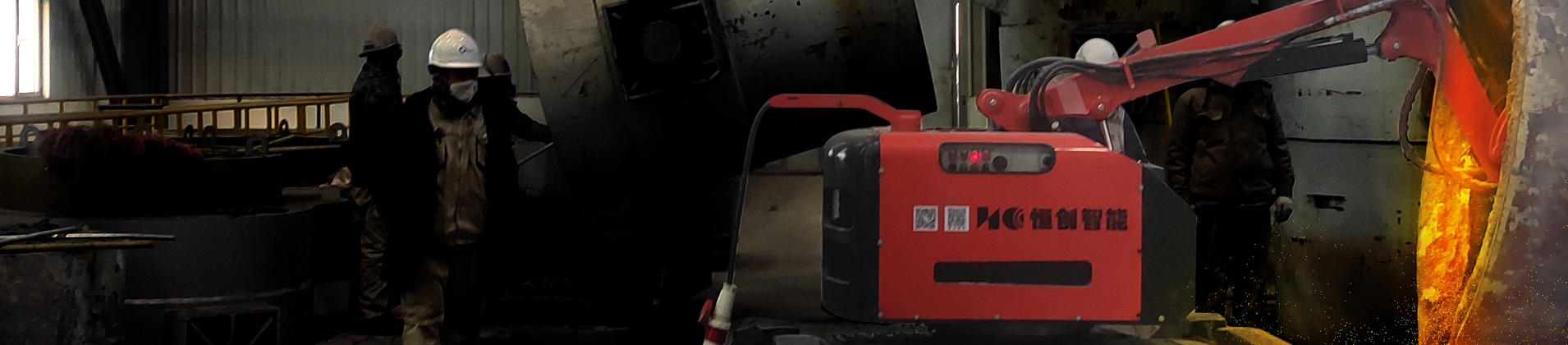
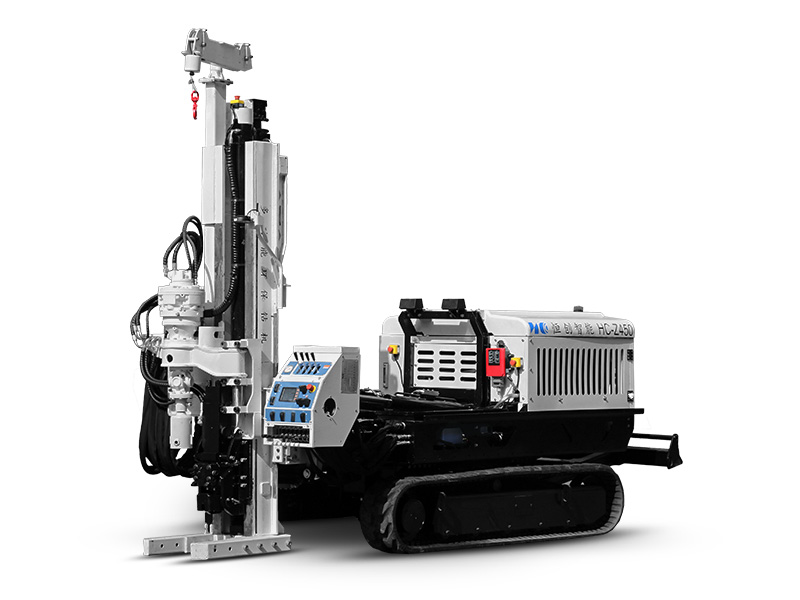
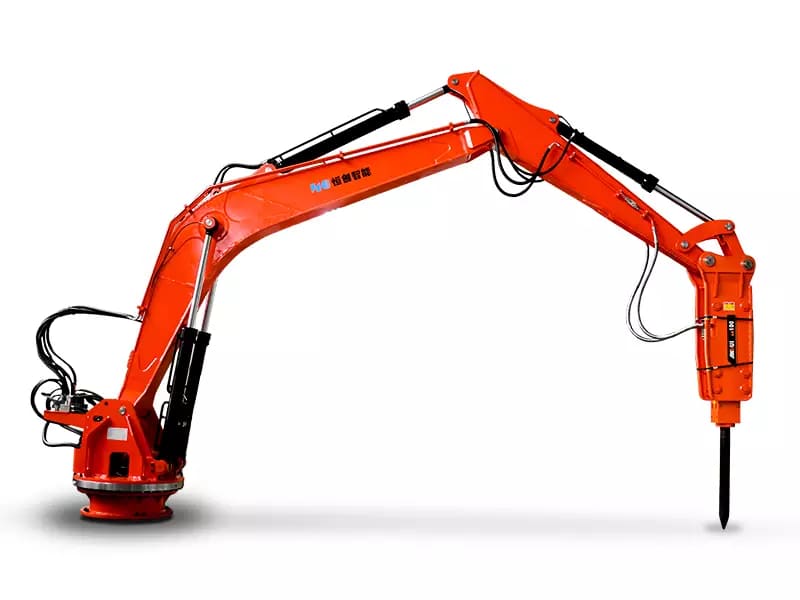
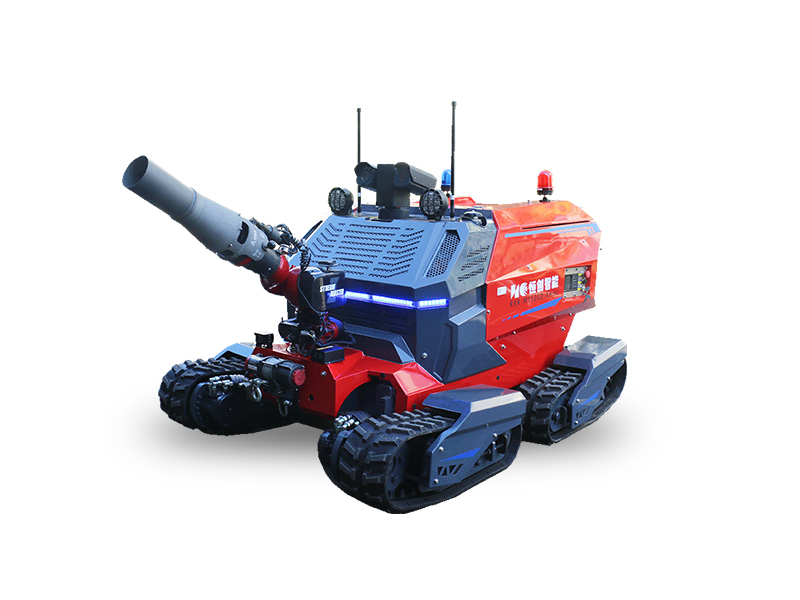
Cement plants are among the most demanding industrial environments for demolition work. Operators often face reinforced concrete structures, worn refractory linings, confined access points, high dust levels, heat-affected areas, and strict shutdown schedules. In these conditions, a demolition robot is not just a replacement for manual labor. It is a precision tool that can improve safety, increase control, and reduce downtime during industrial demolition.
Choosing the right demolition robot for a cement plant requires more than comparing machine size or breaker force. The correct selection depends on the demolition zone, the attachment strategy, the plant layout, and the work intensity expected during shutdowns or maintenance projects.
Traditional demolition methods in cement plants often rely on handheld breakers, scaffolding, mini excavators, or larger machines that cannot safely access tight interior spaces. These methods may create safety risks, extend shutdown time, and reduce demolition accuracy.
A demolition robot is better suited to many cement plant tasks because it can:
operate in confined or hazardous zones
reduce worker exposure to falling debris, dust, and vibration
provide controlled demolition around sensitive structures
fit through limited access doors or passages
work with multiple attachments such as breakers, crushers, buckets, and scabblers
In industrial demolition, especially inside cement plants, the main goal is not only breaking material fast. It is breaking the right material, in the right sequence, with minimal disruption to surrounding assets.
A demolition robot can be used across several cement plant work areas:
kiln refractory removal
preheater tower internal demolition
cooler area maintenance demolition
silo and hopper wall breaking
concrete pedestal and foundation removal
selective demolition near conveyors, ducts, and steel structures
confined-space demolition during plant upgrades
Each application places different demands on the machine. Refractory removal may require compact dimensions and excellent reach. Concrete removal may require higher impact energy and stability. Interior structural work may require low emissions and remote operation.
The first question is simple: what are you demolishing?
In cement plants, common materials include:
refractory brick and castable
reinforced concrete
plain concrete
brick lining
compacted build-up material
small steel-supported structures
A demolition robot selected mainly for refractory removal may not be ideal for heavy reinforced concrete demolition. Attachment compatibility and hydraulic power matter more than machine weight alone.
Many cement plant demolition projects happen indoors or in elevated process areas. Access can be limited by:
narrow doorways
stair access
platform load limits
low headroom
tight turning radius
transport restrictions between work zones
A compact demolition robot with strong power-to-size ratio is often more valuable than a larger unit that cannot reach the workface efficiently.
Cement plant demolition often requires vertical and overhead work, especially in preheater towers, kiln inlets, cyclone areas, and tall chambers. The demolition robot must have enough reach to break at the required height while maintaining stability.
If the robot is too small, operators will spend extra time repositioning. If it is too large for the floor or platform, mobility and safety will suffer.
A good demolition robot for cement plants should support more than one attachment. Different stages of demolition usually need different tools.
| Attachment | Best Use in Cement Plants |
|---|---|
| Hydraulic breaker | Concrete breaking, refractory removal, structural demolition |
| Concrete crusher | Controlled crushing of walls and slabs |
| Bucket | Debris cleanup and material handling |
| Scabbler | Surface preparation and layer removal |
| Grapple | Sorting and handling broken material |
Attachment flexibility improves utilization and reduces the need for extra machines during shutdown periods.
Electric demolition robots are highly suitable for cement plant interiors because they produce no exhaust emissions at the point of operation. This is especially useful in enclosed areas where ventilation may be limited.
They also tend to deliver stable hydraulic performance and lower operating noise than diesel alternatives used in tight indoor industrial environments.
Remote control is a major advantage of a demolition robot. In cement plants, this allows the operator to stay away from falling concrete, unstable lining material, hot zones, and dust-heavy workfaces.
This safety advantage is often one of the strongest reasons plants shift from manual demolition to robotic demolition systems.
Below is a practical comparison framework.
| Selection Factor | Why It Matters | What to Look For |
|---|---|---|
| Machine width and height | Determines whether the unit can access work areas | Compact transport dimensions |
| Operating weight | Affects stability and platform suitability | Balance between stability and access |
| Reach | Important for vertical and overhead demolition | Adequate arm geometry and working envelope |
| Hydraulic output | Drives attachment performance | Strong, stable power for breaker/crusher |
| Remote operation | Improves safety | Reliable remote system with clear control response |
| Attachment range | Increases project flexibility | Breaker, crusher, bucket, grapple compatibility |
| Durability | Cement plants are abrasive and dusty | Robust frame, protected hoses, industrial build |
| Service support | Reduces downtime | Spare parts availability and technical support |
Many buyers focus too heavily on maximum breaker force. That is only one part of the equation. In cement plant industrial demolition, common mistakes include:
choosing a robot too large for real access conditions
underestimating the need for reach in vertical structures
selecting a machine without enough attachment options
ignoring platform load limits or transport logistics
failing to consider maintenance support and spare parts availability
A demolition robot should be evaluated as a system, not just as a hammer carrier.
The best choice usually comes from matching the machine to the actual demolition scenario.
For example:
Kiln or refractory demolition: prioritize compact size, precise control, electric operation, and sufficient breaker power.
Concrete structure removal: prioritize higher hydraulic output, stability, and crusher compatibility.
Confined indoor upgrades: prioritize small footprint, low emissions, and easy transport between work areas.
Shutdown maintenance projects: prioritize versatility, quick attachment changes, and reliable continuous operation.
The most effective demolition robot is the one that fits both the structure and the shutdown plan.
A demolition robot can deliver major advantages in cement plant industrial demolition, especially where safety, precision, and limited access define the project. The right machine is not necessarily the biggest one. It is the one that matches your demolition materials, access restrictions, working height, attachment needs, and safety requirements.
When selected correctly, a demolition robot can help cement plants reduce manual risk, improve demolition efficiency, and complete maintenance or upgrade work with greater control.
For more information about demolition robot solutions for industrial applications, visit: https://www.hcrot.com/
The main benefit is safer and more controlled demolition in hazardous or confined industrial areas. A demolition robot reduces worker exposure while improving precision and efficiency.
Yes. Electric demolition robot systems are especially suitable for indoor work because they produce no on-site exhaust emissions and are well suited for enclosed plant environments.
Focus on compact dimensions, remote control safety, sufficient breaker power, good reach, and reliable operation in dusty and confined conditions.