Building demolition is no longer limited to brute force and uncontrolled teardown. Today, contractors use a range of methods based on structure type, surrounding environment, height, materials, safety requirements, and project timeline. As urban construction becomes denser and safety regulations become stricter, the demolition robot is becoming an important tool in modern building demolition, especially for selective, indoor, and high-risk work.
This article explains the main building demolition methods, the standard demolition process, and where robotic demolition fits into safer and more efficient jobsite execution.
Building demolition is the controlled dismantling, deconstruction, or removal of a structure in part or in full. The goal is not simply to knock down a building, but to do so safely, efficiently, and with minimal impact on workers, nearby properties, utilities, traffic, and the environment.
Depending on the site, demolition may involve:
Full structural removal
Partial demolition for renovation or redevelopment
Interior strip-out and selective removal
Concrete breaking and steel cutting
Hazardous material removal before teardown
The chosen building demolition method depends on the building’s size, structural system, location, and access conditions.
Manual demolition uses handheld tools such as jackhammers, saws, breakers, and cutting equipment. It is common for interior work, small structures, and projects where precision matters.
Best for:
Interior walls and floors
Small residential structures
Selective removal near occupied areas
Advantages:
High control
Suitable for confined spaces
Lower risk of damaging adjacent elements
Limitations:
Labor-intensive
Slower than mechanized methods
Higher physical risk for workers
Mechanical demolition uses excavators, crushers, breakers, shears, and high-reach machines. It is one of the most widely used approaches for medium and large structures.
Best for:
Concrete and masonry buildings
Open job sites with machine access
Fast structural removal
Advantages:
High productivity
Faster project completion
Effective for heavy materials
Limitations:
Requires access and operating space
Can produce significant noise, vibration, and dust
Less precise in restricted environments
Implosion uses carefully placed explosives to collapse a structure inward. It is highly specialized and only used when engineering, permitting, and site conditions allow.
Best for:
Large standalone structures
Sites with a well-defined collapse zone
Advantages:
Extremely fast structural takedown
Efficient for certain large buildings
Limitations:
Complex planning and approvals
High public safety sensitivity
Not suitable for most urban or tight-access projects
Deconstruction is the systematic disassembly of a building to recover reusable materials such as steel, wood, fixtures, and architectural components.
Best for:
Sustainability-focused projects
Buildings with salvage value
Selective or phased dismantling
Advantages:
Reduces landfill waste
Improves material recovery
Supports green building goals
Limitations:
Slower than conventional demolition
Requires careful sorting and logistics
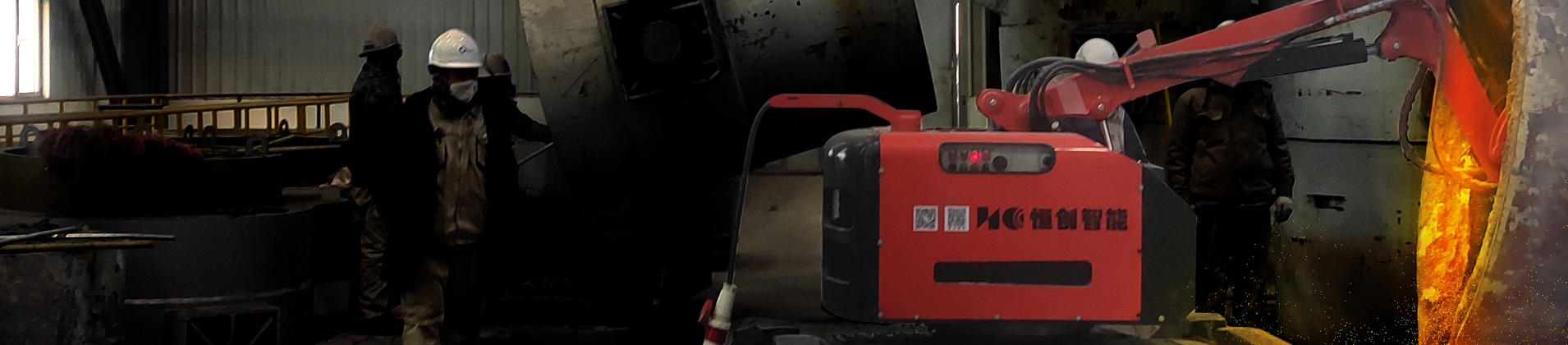
Robotic demolition uses remote-controlled machines to break concrete, remove walls, chip surfaces, and work in hazardous or hard-to-reach areas. A demolition robot is especially valuable where conventional excavators are too large or unsafe to deploy.
Best for:
Indoor demolition
Basements, tunnels, and stairwells
High-risk structural weakening zones
Jobs requiring precision and reduced operator exposure
Advantages:
Improved worker safety through remote operation
Strong power-to-size ratio
Lower emissions and better suitability for indoor work, especially electric models
Better precision for selective robotic demolition tasks
Limitations:
Not intended to replace all heavy demolition equipment
Requires trained operators and attachment selection
A successful building demolition project follows a clear process rather than a single act of destruction.
Before any demolition begins, the contractor must inspect the building and surrounding environment. This includes:
Structural analysis
Review of drawings and modifications
Material identification
Access and egress planning
Evaluation of nearby roads, utilities, and occupied buildings
This stage determines the safest demolition sequence and equipment plan.
Demolition cannot proceed without regulatory approval. Contractors must secure permits, coordinate with local authorities, and disconnect utilities such as electricity, gas, water, telecom, and drainage where required.
Hazardous materials such as asbestos, lead-based coatings, or contaminated debris may need separate remediation before structural work starts.
Before structural demolition, crews often perform a soft strip. This means removing non-structural elements such as:
Doors and windows
Ceilings and partitions
Mechanical and electrical fixtures
Insulation and interior finishes
This reduces debris complexity and makes structural demolition safer.
The demolition team then chooses the method based on the structure and site limitations. For example:
Manual demolition for selective interior work
Mechanical demolition for open structural teardown
Robotic demolition for confined or high-risk zones
Deconstruction when material recovery is a priority
In many projects, multiple methods are combined.
The building is dismantled according to a planned sequence. Load-bearing components, slabs, beams, walls, and columns must be removed in an order that prevents uncontrolled collapse.
During this stage, dust suppression, exclusion zones, vibration monitoring, and debris handling must be actively managed.
After the structure comes down, materials are sorted for disposal or recycling. Common streams include:
Concrete
Rebar and steel
Wood
Brick and masonry
Mixed waste
Efficient sorting lowers disposal costs and supports sustainability targets.
The final step includes clearing remaining debris, grading the site if needed, and preparing the ground for redevelopment or new construction.
The demolition robot is changing how contractors handle difficult environments. In traditional building demolition, workers often operate close to unstable structures, falling debris, dust, and heavy vibration. Robotic demolition reduces that direct exposure.
Because these machines are compact and remote-controlled, they perform well in places where full-size excavators cannot safely enter. They are also increasingly used for:
Selective concrete removal
Floor-by-floor demolition
Structural trimming near sensitive areas
Demolition in hospitals, factories, and commercial renovations
Projects requiring lower noise and zero on-site exhaust from electric machines
For many contractors, robotic demolition is not a replacement for all methods, but a strategic upgrade for precision, safety, and productivity.
Choosing the right building demolition method depends on far more than speed. Safety, access, structural complexity, waste handling, and surrounding site conditions all shape the best approach. While manual, mechanical, implosion, and deconstruction methods still have their place, the demolition robot has become an increasingly practical solution for controlled building demolition and advanced robotic demolition applications.
If your projects involve concrete removal, selective interior teardown, or challenging access conditions, modern demolition robotics can significantly improve safety and efficiency. To learn more about demolition robot solutions for demanding job sites, visit https://www.hcrot.com/.
There is no single safest method for every project. The safest option depends on the structure, surrounding environment, and risk profile. For confined spaces and high-risk interior work, a demolition robot is often safer because the operator can control the machine remotely.
Robotic demolition is ideal when access is limited, indoor air quality matters, precision is required, or operator exposure to hazards must be reduced. Excavators remain better for large-scale open-site teardown, while robots excel in selective and controlled demolition.
It can be, if the project includes proper waste sorting, recycling, dust control, and selective deconstruction. Using efficient methods such as robotic demolition can also reduce unnecessary damage and improve material handling in certain applications.