The demolition industry has seen tremendous advancements in recent years, with modern technology transforming how structures are taken down. Among the most groundbreaking innovations is the demolition robot, a cutting-edge piece of machinery that has revolutionized the field. These robotic machines are not only safer but also more efficient and precise than traditional methods. In this article, we’ll dive deep into the types of demolition equipment used today, focusing on the role of robotic demolition machines and how technology is shaping the future of the industry.
Demolition is a complex process that requires specific tools and machinery to break down structures safely and effectively. Traditional demolition methods relied heavily on manual labor and rudimentary tools like sledgehammers, crowbars, and wrecking balls. While effective, these methods posed significant safety risks and required extended timelines, especially for large-scale projects.
Enter modern demolition equipment—a collection of machines and tools designed to make demolition faster, safer, and more efficient. Today, contractors rely on advanced tools such as hydraulic excavators, wrecking balls, crushers, and most recently, remote demolition robots.
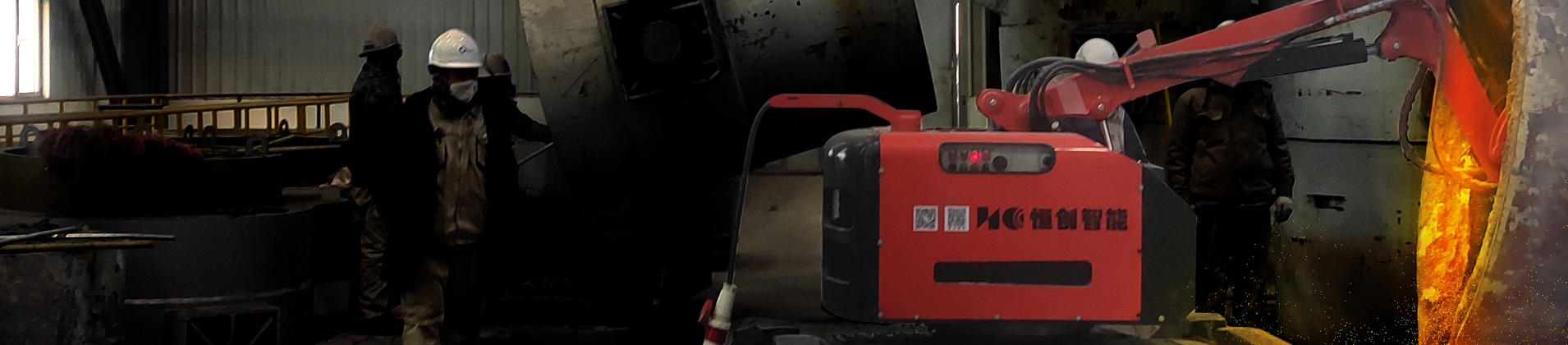
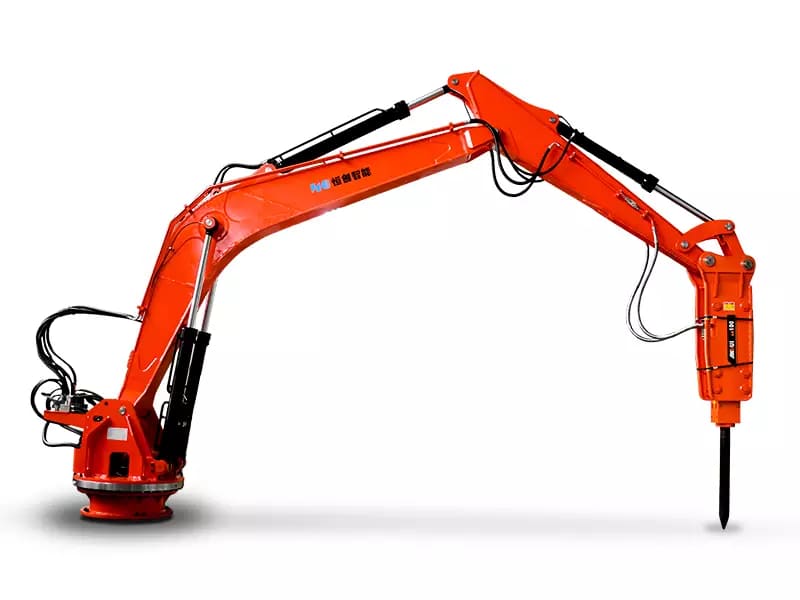
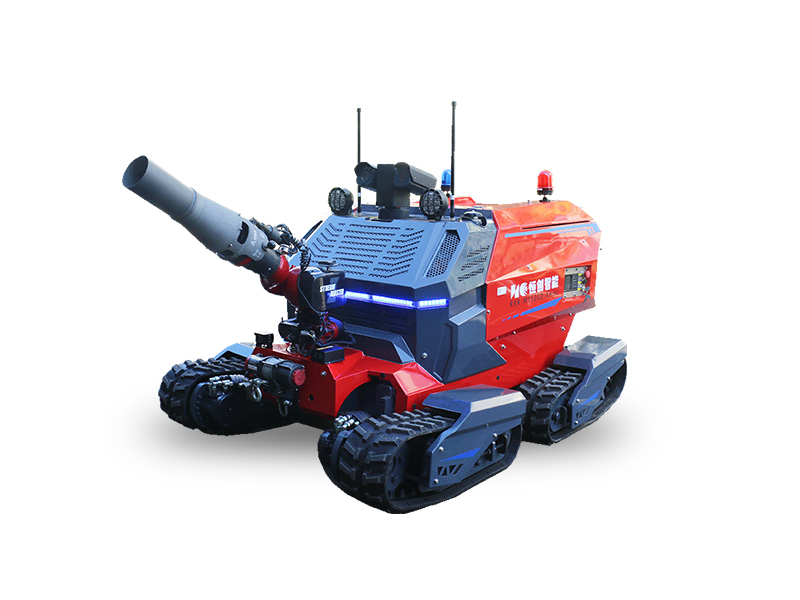
A demolition robot is a remotely operated machine designed specifically for dismantling structures. These robots are compact yet powerful, capable of handling tasks traditionally performed by larger pieces of machinery or manual labor. They are often equipped with hydraulic arms and interchangeable attachments such as hammers, crushers, and shears, making them versatile for a variety of demolition tasks.
These machines are particularly useful in situations where safety and precision are paramount. For example, in areas where using large equipment isn’t feasible—like inside buildings or near sensitive structures—a robotic demolition machine can navigate tight spaces and perform tasks with incredible accuracy.
The rise of remote demolition robots is largely due to their numerous advantages over traditional equipment. Below are some of the key benefits:
Demolition can be a hazardous activity. Falling debris, unstable structures, and exposure to dust and chemicals are just some of the dangers workers face. Demolition robots eliminate many of these risks by allowing operators to control the machine from a safe distance. This is particularly beneficial in high-risk environments such as nuclear facilities, where exposure to radiation must be minimized.
Thanks to their advanced controls and specialized attachments, robotic demolition machines offer exceptional precision. They can target specific areas of a structure without damaging surrounding elements. This makes them ideal for selective demolition tasks, such as removing a single wall or section of a building.
Many demolition robots are designed to fit through standard doorways and operate in confined spaces. This is a significant advantage over larger equipment like excavators, which may not be able to access certain areas.
While the initial investment in a remote demolition robot might be high, their efficiency can save contractors money in the long run. Faster project timelines and reduced labor costs make these machines a worthwhile investment for many demolition companies.
While demolition robots are gaining popularity, they are part of a larger ecosystem of demolition equipment. Below are some of the most commonly used tools and machines in the industry:
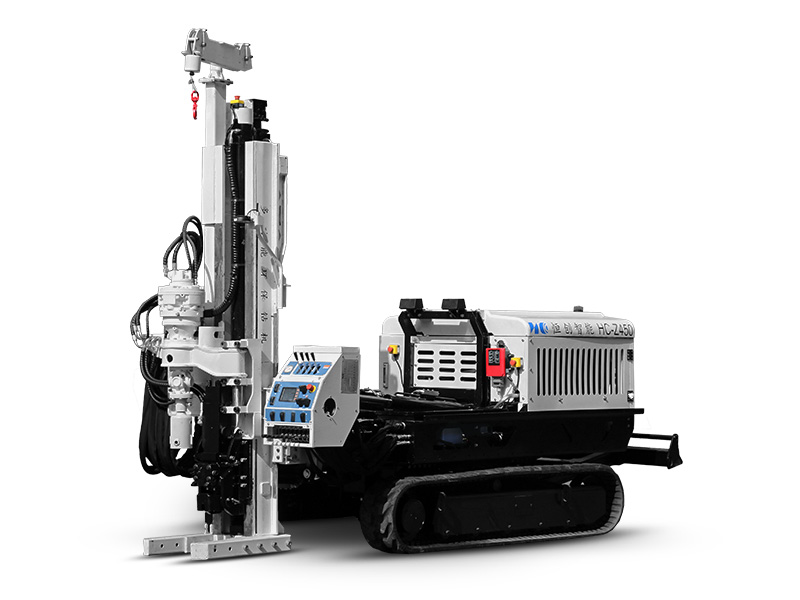
Hydraulic excavators are among the most versatile machines in demolition. Equipped with specialized attachments like hammers, shears, and crushers, these machines can handle tasks ranging from breaking concrete to cutting steel beams.
One of the oldest forms of demolition equipment, the wrecking ball is still used today for large-scale projects. Suspended from a crane, the ball is swung into structures to break them down. While effective, this method lacks the precision offered by modern tools like robotic demolition machines.
Skid steer loaders are small, maneuverable machines that can be equipped with various attachments for demolition tasks. They are particularly useful for clearing debris and preparing sites for construction.
Manual tools like jackhammers and saws are often used for smaller demolition tasks or when precision is required. However, these tools are increasingly being replaced by demolition robots, which offer the same precision with greater efficiency.
As discussed earlier, remote demolition robots are the future of the industry. These machines combine the power of larger equipment with the precision of handheld tools, making them indispensable for modern demolition projects.
Demolition robots are versatile machines that can be used in a wide range of applications. Here are some examples:
When demolishing the inside of a building, precision is key. A robotic demolition machine can carefully remove walls, floors, and ceilings without compromising the structural integrity of the rest of the building.
In settings like chemical plants, nuclear facilities, or fire-damaged buildings, safety is a top priority. Remote demolition robots allow workers to complete tasks from a safe distance, reducing their exposure to dangerous conditions.
Bridge demolition requires careful planning to ensure the structure is dismantled safely without damaging surrounding infrastructure. The precision offered by robotic demolition machines makes them ideal for this type of work.
For smaller projects, such as demolishing a house or garage, demolition robots can complete the job quickly and efficiently. Their compact size allows them to work in confined spaces, making them a popular choice for residential projects.
The construction and demolition industry is constantly evolving, and the rise of demolition robots is just the beginning. As technology advances, we can expect to see even more sophisticated machines entering the market. For example:
When selecting equipment for a demolition project, it’s essential to consider the specific needs of the job. Factors like the size of the structure, the type of materials involved, and the project timeline will all influence the choice of equipment. In many cases, a combination of tools—including demolition robots, hydraulic excavators, and handheld tools—will be used to achieve the best results.
The demolition industry has come a long way, thanks to advancements in technology and the development of modern demolition equipment. Among these innovations, the demolition robot stands out as a game-changer, offering unparalleled safety, precision, and efficiency. Whether you’re working on a large-scale industrial project or a small residential demolition, these machines are paving the way for a safer and more sustainable future.
As the demand for robotic demolition machines continues to grow, it’s clear that these remarkable tools are shaping the future of the industry. By investing in cutting-edge equipment like remote demolition robots, contractors can stay ahead of the curve and deliver exceptional results for their clients.